Introduction to Pressure Vessel Design
Pressure vessels play a critical role in various industrial processes, serving as containers that can withstand high pressures. Understanding the principles of Pressure Vessel Design is essential for ensuring safety, compliance, and efficiency in many applications. This article will explore pressure vessel design in depth, highlighting its importance, components, design processes, challenges, and future trends.
What is Pressure Vessel Design?
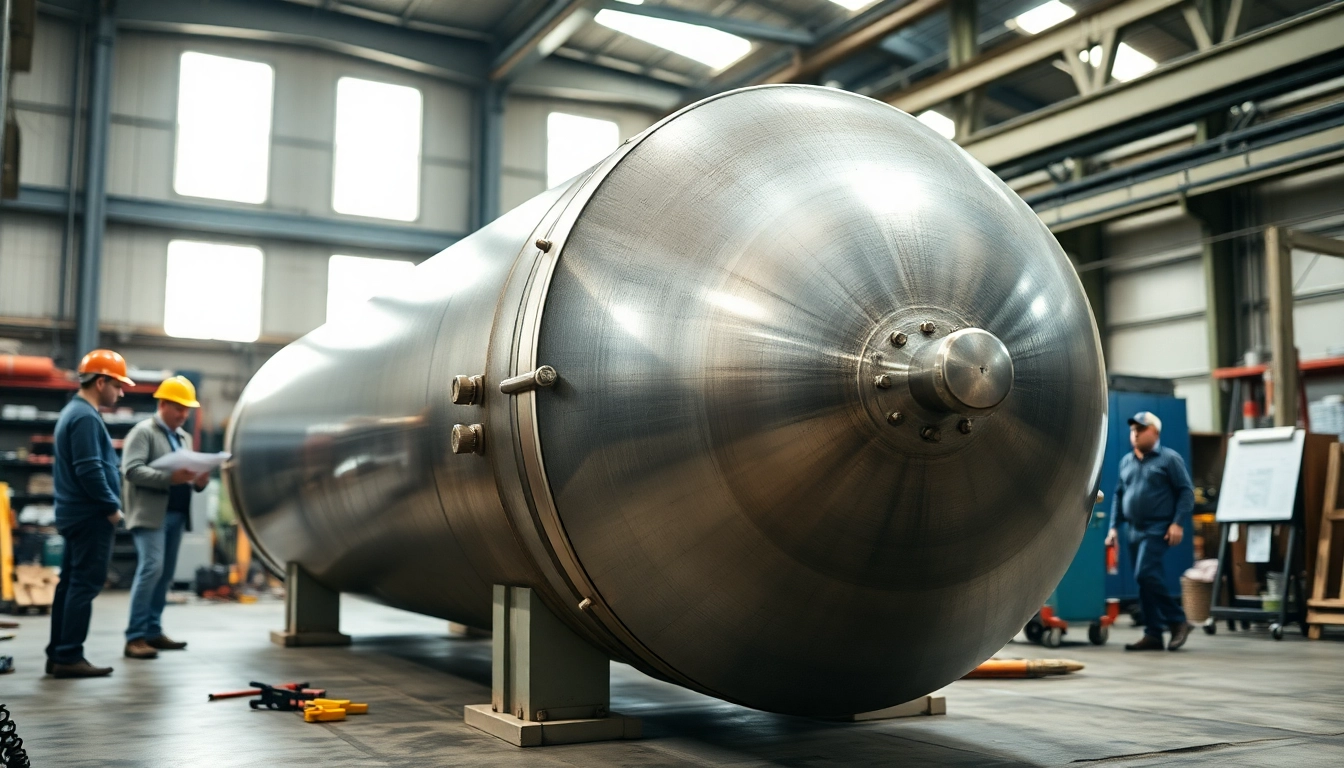
Pressure vessel design refers to the engineering process of creating containers meant to hold liquids and gases at high pressures. These vessels are essential in industries such as oil and gas, chemical manufacturing, and power generation. The design specifies material types, thickness, and shapes required to support the pressures experienced during operation.
Importance of Safety Standards
Safety is paramount in pressure vessel design. Failure to adhere to safety standards can lead to catastrophic accidents. The American Society of Mechanical Engineers (ASME) provides guidelines, specifically the ASME Boiler and Pressure Vessel Code (BPVC), which sets forth requirements for pressure vessels, ensuring they can safely withstand operational pressures and temperatures. Compliance with these standards mitigates risks associated with explosion, leaks, and structural failures.
Common Applications and Uses
Pressure vessels are widely used in various applications, including:
- Oil and Gas Industry: For storing natural gas and crude oil.
- Chemical Manufacturing: For processing and storing chemicals under high pressure.
- Food Processing: Used in sterilizers and pressure cookers.
- Power Generation: In boilers and heat exchangers for steam production.
Key Components of Pressure Vessel Design
Types of Pressure Vessels
Pressure vessels can be classified into several types based on their shape and application:
- Cylindrical Vessels: Most common in various applications, available in both horizontal and vertical configurations.
- Spherical Vessels: Useful for pressure storage due to their ability to uniformly distribute stress.
- Conical Vessels: Often used in applications like separators and hoppers.
Material Selection for Pressure Vessels
The material used in pressure vessel construction is crucial for performance and safety. Common materials include:
- Steel: Generally used due to its high strength and resistance to pressure.
- Stainless Steel: Chosen for corrosion resistance, especially in chemical applications.
- Composite Materials: Gaining popularity for their lightweight and high strength properties.
Design Codes and Regulations
Adhering to established design codes is essential for legal compliance and safety assurance. Key codes include:
- ASME BPVC: Governs design, inspection, and testing of pressure vessels.
- API Standards: Used in the oil and gas sector for storage tanks and vessels.
- European Pressure Equipment Directive (PED): Regulates pressure equipment in the European Union.
The Design Process of Pressure Vessels
Initial Planning and Considerations
The design process begins with thorough planning, which includes defining the pressure vessel's purpose, the types of fluids to be stored, and operational conditions. Designers must evaluate dimensions, shape, and the required durability standards. Comprehensive analysis during this stage sets the foundation for a safe and efficient design.
Calculating Pressure and Temperature Ratings
Determining pressure and temperature ratings is crucial in establishing a safety margin. Engineers analyze the maximum anticipated pressures, temperatures, and environmental factors that affect the vessel’s operation. Calculations often utilize established formulas and simulation software, ensuring accuracy in the design.
Design Verification and Validation
Once conceptual designs are drafted, verification and validation are imperative. This process includes:
- Finite Element Analysis (FEA): Used to simulate how the pressure vessel will react under various loads.
- Prototype Testing: Developing prototypes can help validate design assumptions and discover potential design flaws before full-scale production.
- Regulatory Review: Submitting designs for validation against applicable codes and standards for compliance.
Challenges in Pressure Vessel Design
Dealing with Corrosion and Material Fatigue
Corrosion and fatigue are significant concerns in pressure vessel longevity. Engineers must consider corrosion allowances in their material selection and regularly assess vessels for wear and degradation. Protective coatings and corrosion-resistant materials can be employed to enhance durability.
Compliance with Regulatory Requirements
Keeping up with evolving regulations poses a challenge, especially in markets with stringent safety and compliance policies. Engaging experienced professionals and regularly updating training on compliance standards is crucial for industry stakeholders.
Managing Design Changes and Upgrades
Design modifications may be required due to technological progress or operational shifts. Flexibility in the design process and the ability to implement upgrades without compromising safety is essential for modern pressure vessels. It often involves iterative design and consultations with regulatory bodies to ensure compliance.
Future Trends in Pressure Vessel Design
Adoption of New Technologies
Innovative technologies, such as advanced simulation software and automated manufacturing processes, are reshaping the design and production of pressure vessels. These advancements improve accuracy and reduce time-to-market, making it easier to meet demand efficiently and safely.
Sustainability in Design Practices
As environmental concerns grow, there's a trend towards more sustainable pressure vessel designs. This includes choosing recyclable materials, optimizing energy efficiency in production processes, and reducing waste in manufacturing. Sustainable design is becoming an integral part of engineering principles across industries.
Impact of Industry Innovations
Emerging industry innovations, such as the Internet of Things (IoT) and smart sensors, are streamlining pressure vessel monitoring and management. These technologies enhance predictive maintenance capabilities, allow real-time data analysis, and improve overall safety and effectiveness in operation.
Frequently Asked Questions
What is the typical lifespan of a pressure vessel?
The lifespan of a pressure vessel varies based on usage, materials, and maintenance practices, but properly maintained vessels can last anywhere from 20 to 50 years.
How often should pressure vessels be inspected?
Regular inspections of pressure vessels are typically recommended annually or biennially, depending on regulations and the type of vessel. Compliance with safety standards is crucial.
What are the common failure modes for pressure vessels?
Common failure modes include fatigue, corrosion, and excessive pressure or temperature conditions that exceed design limits. Regular monitoring can mitigate these risks.
Which software is commonly used in pressure vessel design?
Software like CademPVD, AutoCAD, and SolidWorks are used to facilitate design simulations, calculations, and drawings for pressure vessels, ensuring compliance with design codes.
What qualifications should a pressure vessel designer have?
A pressure vessel designer should have relevant engineering qualifications, experience with pressure vessel codes (such as ASME), and an understanding of material science and mechanical engineering principles.