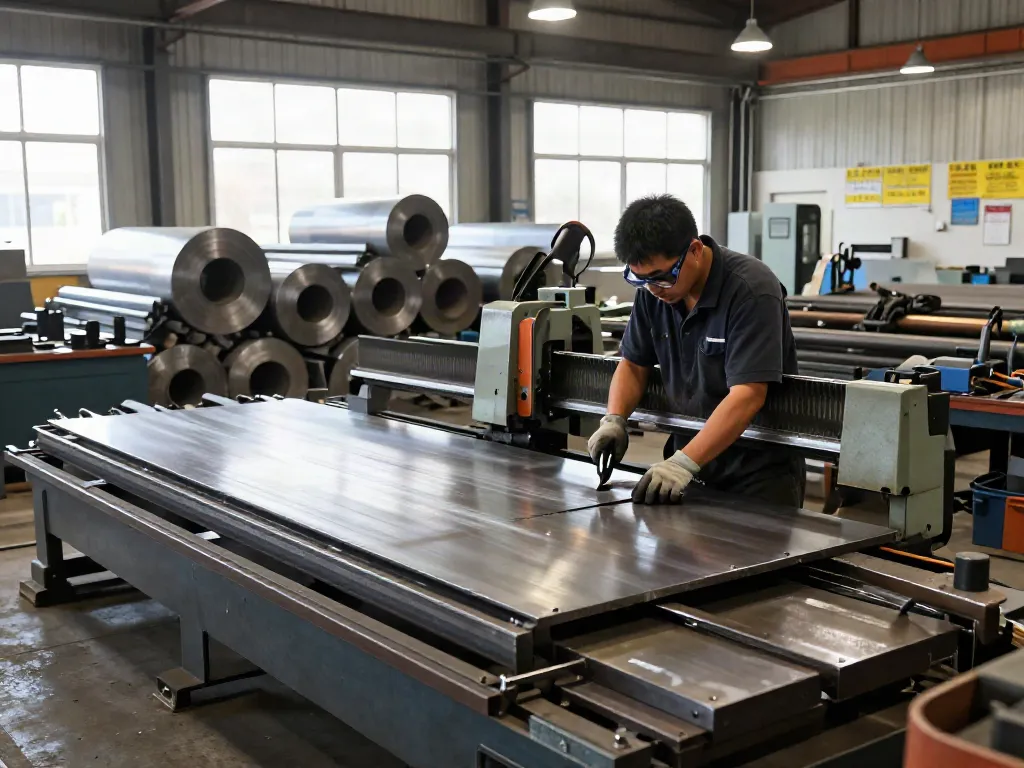
Understanding Sheet Metal Fabrication Processes
In today's construction and manufacturing landscape, sheet metal fabrication stands as a cornerstone of efficiency and precision. This intricate process not only involves the transformation of metal sheets into usable forms but also emphasizes the significance of advanced techniques, safety standards, and industry best practices. https://www.millersheetmetalinc.com/ serves as a resourceful guide for businesses that seek reliable solutions in this field.
What is Sheet Metal Fabrication?
Sheet metal fabrication is the process of creating metal structures by cutting, bending, and assembling metal sheets into specific shapes and sizes. This versatile method is employed across various industries, including automotive, aerospace, and construction, highlighting its importance in modern production.
Key Techniques Used in Sheet Metal Fabrication
Several fundamental techniques are involved in sheet metal fabrication, including:
- Cutting: This involves dividing the metal sheet into desired sizes using tools such as laser cutters and shears.
- Bending: Metal sheets are shaped through processes like press braking to achieve angles and curves.
- Welding: This technique joins metal pieces together, ensuring structural integrity.
- Finishing: The application of coatings or treatments that enhance durability and aesthetic appeal.
Safety Standards and Best Practices
Safety in sheet metal fabrication is paramount. Adhering to OSHA standards and implementing best practices like proper training, use of personal protective equipment (PPE), and regular equipment maintenance can significantly reduce workplace hazards. Fabricators should continually educate their staff about risks associated with handling metal and operating machinery.
Essential Equipment for Efficient Metalworking
Investing in the right equipment is crucial for optimizing production efficiency and quality. The selection of tools and machines can drastically affect the outcome of sheet metal projects, thus understanding the various options available is essential.
Overview of CNC Machines and Their Benefits
Computer Numerical Control (CNC) machines have revolutionized metalworking by automating processes with precision. These machines offer benefits such as:
- Accuracy: CNC machines minimize human error, delivering consistent results.
- Efficiency: They can operate continuously, increasing productivity.
- Versatility: Capable of performing multiple tasks including cutting, drilling, and milling.
Choosing the Right Tools for the Job
When selecting tools for sheet metal fabrication, consider factors such as material type, project specifications, and production volume. Some essential tools include:
- Sheet metal shears for cutting.
- Press brakes for bending.
- Welding machines for assembly.
Maintenance Practices for Longevity of Equipment
Regular maintenance of metalworking equipment is critical to ensure longevity and optimal performance. Proper cleaning, lubrication, and scheduled inspections can prevent breakdowns and costly repairs.
Innovative Trends in Sheet Metal Engineering
As technology continues to evolve, the sheet metal industry sees emerging trends that enhance fabrication processes, sustainability, and overall efficiency.
Emerging Technologies in Metalworking
Innovative technologies, such as 3D printing and advanced robotics, are beginning to play significant roles in sheet metal fabrication. These technologies not only streamline production but also allow for more complex designs that were previously unattainable.
Sustainability Practices in the Industry
With an increasing emphasis on sustainability, metal fabricators are adopting practices that minimize waste and energy consumption. Implementing recycling programs and using eco-friendly materials are vital steps toward a more sustainable industry.
Future Projections for Sheet Metal Fabrication by 2026
As we look ahead to 2026, the sheet metal fabrication industry is poised for significant advancements. Increased automation, demand for customized solutions, and a focus on sustainability will shape the future landscape. Companies that embrace these changes will likely thrive in a competitive marketplace.
Common Challenges in Sheet Metal Projects
Despite advancements, sheet metal fabrication is not without its challenges. Identifying common issues can empower businesses to mitigate risks effectively.
Identifying and Overcoming Fabrication Errors
Fabrication errors can stem from a variety of factors, including machine malfunction, incorrect settings, and human oversight. Implementing quality control measures is essential to identify these errors early and correct them to avoid costly delays.
Managing Material Costs and Waste
Material costs can fluctuate, impacting project budgets. Efficient material management strategies, such as optimizing cutting patterns to minimize waste, can help control costs and improve profitability.
Addressing Client Specifications and Satisfaction
Understanding client specifications and ensuring satisfaction is paramount. Regular communication and feedback throughout the fabrication process can lead to higher levels of client trust and repeat business.
Case Studies and Success Stories
Real-world applications of sheet metal fabrication techniques provide insights into best practices and innovative approaches within the industry.
Real-world Applications of Fabrication Techniques
Numerous industries showcase the successful application of sheet metal fabrication, from creating intricate HVAC systems to developing custom metal components for machinery. Each project serves as a learning opportunity for future endeavors.
Lessons Learned from Notable Projects
Case studies reveal valuable lessons, such as the importance of thorough project planning and adaptability in the face of challenges. These narratives serve as guidance for emerging fabricators.
Customer Testimonials: Driving Quality and Trust
Customer feedback plays a crucial role in the success of fabrication companies. Testimonials highlighting quality, efficiency, and customer service can enhance credibility and attract new clients.