Understanding Fluid Power Systems
Fluid power systems are vital components in numerous industrial applications, providing enhanced control and automation to machinery and processes. These systems convey energy through fluid movement, either liquid or gas, to perform various tasks efficiently. From manufacturing plants to construction sites, the importance of fluid power systems cannot be overstated. Let’s delve deeper into their components, types, applications, and the numerous benefits they offer.
Definition and Components of Fluid Power Systems
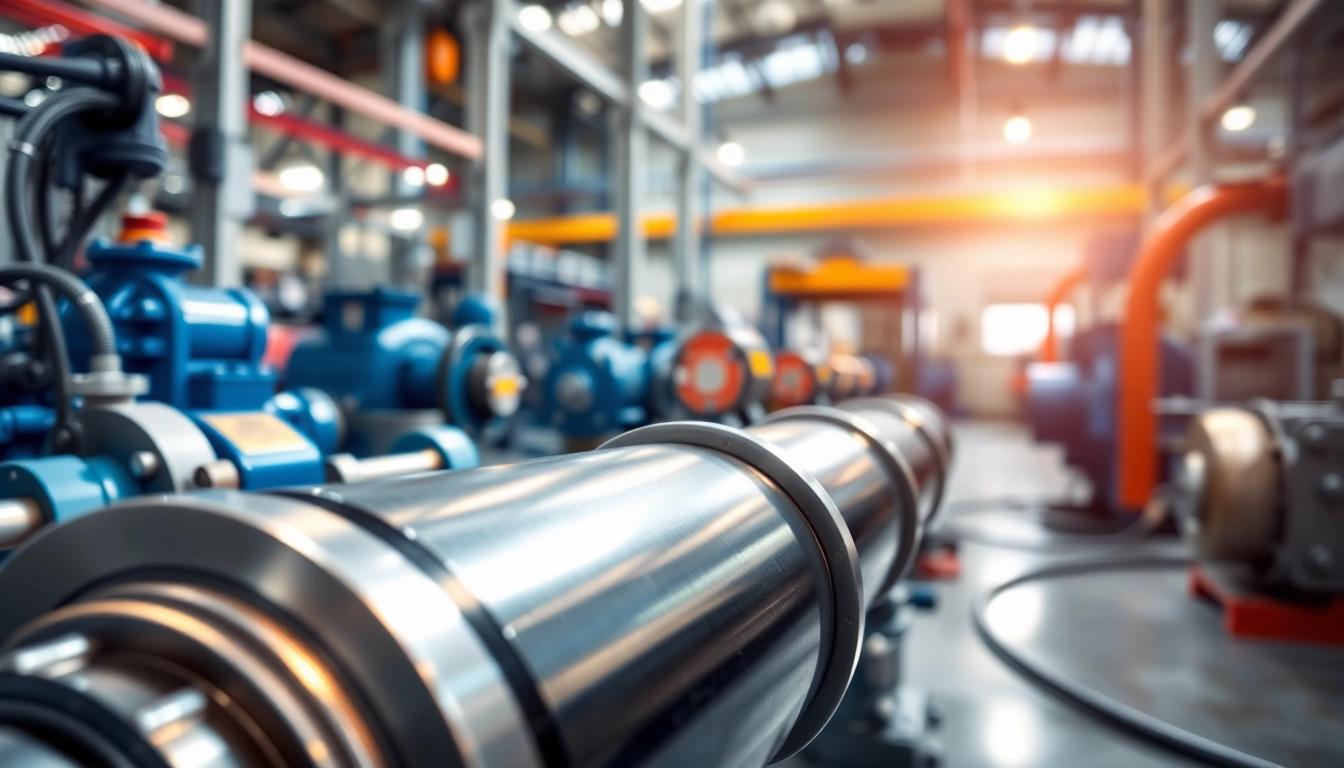
Fluid power systems consist of a framework in which power is transmitted through fluids. The main components include:
- Reservoir: Holds the hydraulic fluid for systems.
- Pump: Converts mechanical energy into hydraulic energy, moving the fluid through the system.
- Actuators: Convert hydraulic energy back into mechanical energy to perform tasks.
- Valves: Control the flow and pressure of fluid, directing it to various components.
- Filters: Remove contaminants from the fluid to maintain system integrity.
- Piping and Hoses: Transport the fluid throughout the system.
These components work in concert to create a highly efficient system capable of precise movement and control.
Types of Fluid Power Systems: Hydraulic vs Pneumatic
Fluid power systems can primarily be categorized into hydraulic and pneumatic systems, each with unique characteristics.
- Hydraulic Systems: Utilize incompressible fluids (usually oil) to transmit power. They are advantageous for tasks requiring high force and precision, such as heavy machinery operation.
- Pneumatic Systems: Rely on compressible gases (typically air) to transmit force. They are ideal for lighter applications, providing rapid actuation with less energy consumption and simpler maintenance.
The choice between hydraulic and pneumatic systems often depends on the specific requirements of the application, including force needs, speed, and environmental considerations.
Key Applications of Fluid Power Systems
Fluid power systems have a range of applications across various industries, showcasing their versatility and effectiveness. Key fields include:
- Manufacturing: Automation of assembly lines and machinery.
- Aerospace: Control surfaces on aircraft and spacecraft.
- Construction: Operation of heavy equipment like excavators and cranes.
- Automotive: Brake systems and power steering.
- Mining: Utilization of hydraulic drills and conveyor systems.
These applications highlight the critical role that fluid power systems play in enhancing productivity and efficiency across multiple sectors.
Benefits of Using Fluid Power Systems
There are several notable benefits to implementing fluid power systems in industrial environments, contributing to overall operational efficiency and effectiveness.
Efficiency and Productivity Gains with Fluid Power Systems
Fluid power systems allow for significant increases in efficiency and productivity. They can quickly transmit power, providing fast actuation and high force output, which helps streamline processes and reduce downtime. This agility in performance helps organizations maintain a competitive edge in a fast-paced industrial landscape.
Cost-Effectiveness of Implementing Fluid Power Systems
While the initial setup for fluid power systems may be seen as costly, their long-term operational benefits often outweigh these upfront expenses. Enhanced performance efficiency leads to lower energy consumption and reduced wear on equipment, resulting in lower maintenance and replacement costs over time.
Design Flexibility and Scalability of Fluid Power Systems
Fluid power systems provide extensive design flexibility, allowing engineers to tailor systems to meet specific application needs. This adaptability, combined with scalability, ensures that systems can grow alongside business demands, accommodating future expansions or changes in production practices.
Common Challenges in Fluid Power Systems
Despite their advantages, fluid power systems also face challenges that must be addressed to ensure optimal performance.
Leakage Issues and Maintenance Strategies for Fluid Power Systems
Leakage is a common issue in fluid power systems, leading to reduced efficiency and increased environmental concerns. To combat this, regular maintenance protocols must be established. These may include checking seals, conducting routine inspections for wear, and replacing damaged components promptly to prevent larger system failures.
System Integration: Overcoming Compatibility Challenges
Integrating fluid power systems with existing equipment can be challenging due to compatibility issues. This obstacle can be overcome by conducting thorough assessments of existing systems and consulting with manufacturers for compatible components or tailored solutions that fit within the existing infrastructure.
Training Needs for Operators of Fluid Power Systems
Effective operation of fluid power systems requires skilled personnel. Organizations must invest in training programs to ensure operators are familiar with system components, safety practices, and troubleshooting methods. This training minimizes human errors and enhances overall system reliability.
Best Practices for Implementing Fluid Power Systems
Implementing fluid power systems effectively requires adherence to several best practices that ensure optimal performance and longevity.
Choosing the Right Components for Your Fluid Power System
Selecting appropriate components is critical for the success of fluid power systems. Organizations should consider the specific requirements of their applications, such as force, speed, and pressure. Consulting with expertise in fluid power can help guide component selection to ensure compatibility and performance.
Regular Maintenance and Safety Checks for Fluid Power Systems
Establishing a routine maintenance schedule is essential for fluid power systems. This includes fluid checks, filter replacements, and safety inspections to ensure that the system operates efficiently and safely. Proactive maintenance helps detect potential issues before they escalate into costly repairs.
Innovative Technologies Enhancing Fluid Power Systems
The fluid power sector is witnessing rapid advancements in technology, such asIoT and AI. These technologies enhance monitoring and diagnostics, allowing for predictive maintenance and improved operational efficiency. Adopting these innovations can give organizations a substantial competitive advantage.
Future Trends in Fluid Power Systems
As industries evolve, so do fluid power systems, adapting to new technologies and methods to improve efficiency and sustainability.
The Role of Automation in Fluid Power Systems
Automation is playing an increasingly critical role in fluid power systems, leading to enhanced precision and reduced labor costs. Automated systems can optimize workflows, reduce human error, and improve the ability to handle complex tasks within manufacturing and other applications.
Sustainability Practices in Fluid Power Systems
There is a growing trend towards sustainability within the fluid power sector. Organizations are focusing on reducing waste and carbon footprints by implementing efficient designs, using environmentally friendly fluids, and recycling fluids wherever feasible. These sustainability practices enhance corporate responsibility and can lead to operational savings.
Impact of IoT on Fluid Power Systems Efficiency
IoT technologies are reshaping fluid power systems by providing real-time data and analytics. This accessibility allows operators to monitor system performance actively, identifying inefficiencies or malfunctions swiftly and enhancing overall operational efficiency. The integration of IoT represents a significant leap toward smarter and more responsive industrial processes.
FAQs about Fluid Power Systems
What is a fluid power system?
A fluid power system transmits energy through fluids (liquid or gas) to perform mechanical tasks, commonly used in various industries.
What are the main components of hydraulic systems?
Main components of hydraulic systems include pumps, actuators, valves, reservoirs, and piping that work together to transmit power.
How do pneumatic systems differ from hydraulic systems?
Pneumatic systems use compressible gases for power transmission, while hydraulic systems use incompressible liquids like oil.
What are common issues in fluid power systems?
Common issues include fluid leakage, maintenance challenges, and system integration problems that can affect performance and efficiency.
How to maintain fluid power systems effectively?
Effective maintenance involves regular inspections, fluid replacement, checking seals, and ensuring all components function correctly.
Contact Information
Call Us: 780.452.2876Email: [email protected]Address: 13111 159 Street Edmonton, AB T5V 1H6