Understanding Pressure Vessel Design Basics
Pressure vessels are a critical component in various engineering applications, playing a significant role in industries such as oil and gas, chemical processing, and energy production. These specialized containers are designed to hold gases or liquids under pressure and must be constructed with precision to ensure safety and reliability. This article delves into the intricacies of Pressure Vessel Design, covering fundamental concepts, standards, design processes, challenges, and the future trends in this vital field.
What is Pressure Vessel Design?
Pressure vessel design refers to the engineering process of creating containers that can safely hold substances at high pressures and temperatures. These vessels can be subject to internal or external pressures and must be designed to withstand various stress factors, including thermal, mechanical, and environmental stresses. As a result, pressure vessel design involves a thorough analysis of material properties, load conditions, and regulatory standards, primarily dictated by the American Society of Mechanical Engineers (ASME).
Key Components of Pressure Vessel Design
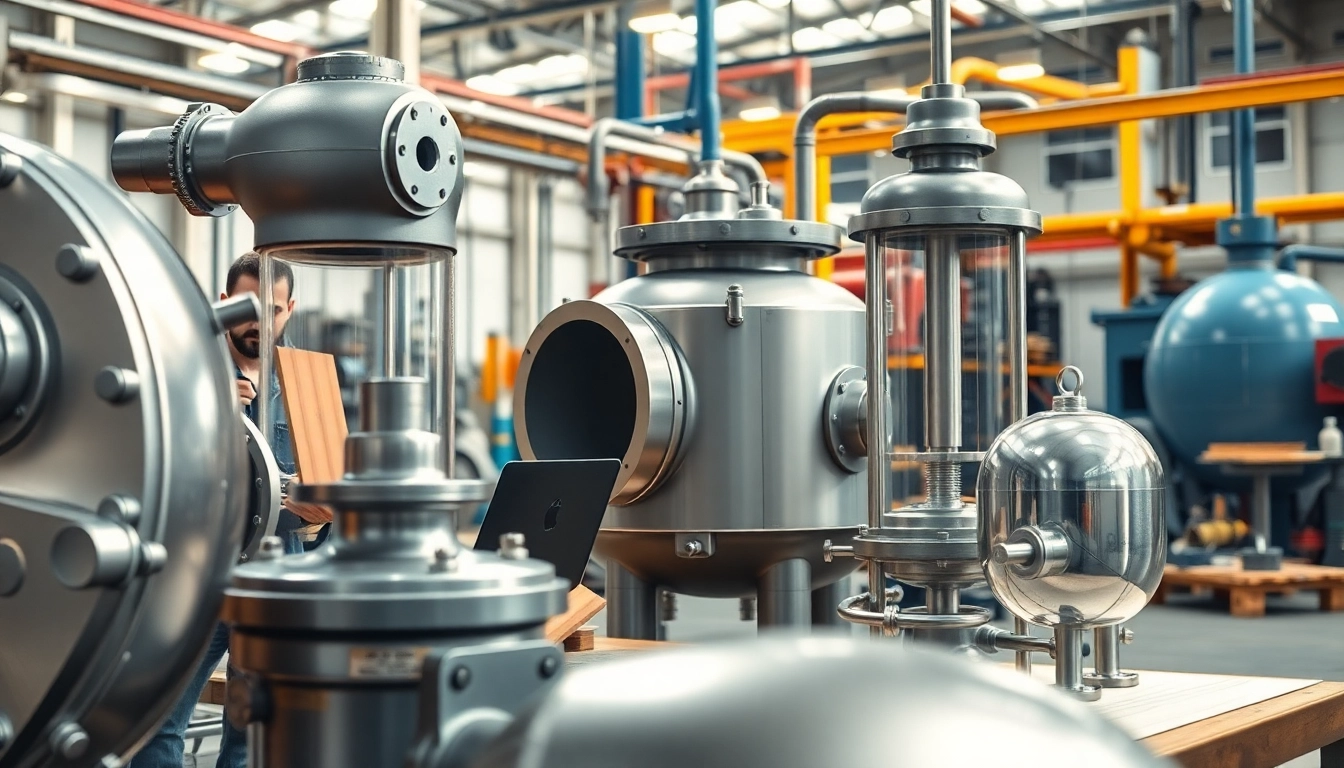
Key components in pressure vessel design include:
- Shell: The main body of the vessel, which can be cylindrical or spherical, designed to withstand the pressure from inside.
- Heads: The end closures of the vessel, typically domed or flat, which must also support internal pressures.
- Nozzles: Openings used for connections to tubes or pipes, enabling the transfer of fluids in and out of the vessel.
- Supports and Anchors: Provide stability and structural support to ensure the vessel operates safely under various conditions.
Common Shapes and Their Applications
Pressure vessels come in a variety of shapes, each serving specific functions based on the requirements and conditions they must face:
- Cylindrical Vessels: The most common shape, used for applications where large volumes of fluids need to be stored or transferred. These are typically aligned vertically or horizontally.
- Spherical Vessels: Used when maximum strength and minimum weight are needed; these are often employed in high-pressure applications.
- Conical and Other Shapes: Used for specialized applications, such as storage of grain or chemicals with specific design considerations.
Importance of ASME Standards in Pressure Vessel Design
Overview of ASME Codes
The American Society of Mechanical Engineers (ASME) sets forth the Boiler and Pressure Vessel Code (BPVC), a comprehensive set of standards governing the design, construction, operation, and testing of pressure vessels. This code ensures that pressure vessels meet safety requirements and can withstand the operational demands they face.
Compliance with Safety Regulations
Compliance with ASME standards is not optional; it is a regulatory requirement in many regions. These standards provide guidelines on design parameters, material specifications, and testing procedures to confirm the vessel's ability to handle operational pressures safely.
Benefits of Adhering to ASME Standards
Adhering to ASME standards enhances safety and reliability in pressure vessel design and offers various benefits:
- Regulatory Compliance: Ensures that designs meet legal and industry requirements, reducing liability risks.
- Enhanced Safety: Promotes products that can be operated safely and minimizes the risks associated with pressure vessel failure.
- Market Acceptance: Products designed according to established standards are more readily accepted and trusted in the market.
Steps in the Pressure Vessel Design Process
Initial Conceptualization and Design Parameters
The design process for pressure vessels begins with conceptualization, where engineers define the vessel's intended use, operating conditions, and performance requirements. Critical factors include:
- Fluid types and their properties
- Operating pressure and temperature
- Design life and maintenance considerations
Material Selection for Pressure Vessels
The choice of materials is fundamental in pressure vessel design, as they must withstand stresses while preventing corrosion and degradation. Common materials include:
- Carbon Steel: Widely used due to its strength and availability.
- Stainless Steel: Ideal for corrosive environments, offering enhanced durability.
- Alloys: Specialized materials may be necessary for extreme environments or pressures.
Validation and Testing Procedures
Once the design is finalized, thorough validation through testing is essential. This may include:
- Hydrostatic Testing: Filling the vessel with water under pressure to check for leaks and verify structural integrity.
- Stress Testing: Conducting numerical simulations to assess performance under varying conditions.
Common Challenges in Pressure Vessel Design
Addressing Design Failures
Design failures can lead to catastrophic results. Common failure types include:
- Fatigue Failure: Repeated stress cycles can weaken materials over time.
- Corrosion: Deterioration due to chemical reactions can compromise vessel integrity.
Design analysis techniques such as Finite Element Analysis (FEA) can help predict and mitigate these issues.
Mitigating Risks in Design and Production
Ensuring safety throughout the lifecycle of a pressure vessel requires careful risk management strategies. This includes:
- Regular inspections and maintenance protocols
- Implementation of redundant safety systems
Regulatory and Compliance Challenges
Staying aligned with evolving regulations can be a challenge for engineers. Solutions include:
- Continuous education on regulatory changes
- Engaging with professional organizations for updates and guidance
Future Trends in Pressure Vessel Design Technology
Innovations in Materials and Manufacturing
The future of pressure vessel design is marked by advancements in material science and manufacturing technologies. Innovations such as composites and advanced alloys can enhance performance while reducing weight.
Impact of Digital Tools and Software
The integration of digital tools and software in pressure vessel design processes is on the rise. Software like CAD and FEA helps engineers create precise designs and perform simulations, improving accuracy and efficiency.
Enhancing Safety and Efficiency in Future Designs
With an increased focus on sustainability, future pressure vessels are designed not only for safety but also for efficiency. Innovations in insulation and thermal management will likely play significant roles in energy conservation.
Frequently Asked Questions
1. What is a pressure vessel?
A pressure vessel is a closed container designed to hold gases or liquids at high pressures. They are typically made of robust materials to ensure safety and structural integrity.
2. What are the common materials used in pressure vessel design?
Common materials include carbon steel, stainless steel, and various alloys, chosen based on specific requirements such as pressure, temperature, and environmental conditions.
3. Why are ASME standards important?
ASME standards are crucial as they establish guidelines for safety, design, and testing, ensuring that pressure vessels are constructed to withstand operational pressures and conditions.
4. What testing is required for pressure vessels?
Common testing methods include hydrostatic testing and non-destructive testing to assure the vessel's integrity and safety under operational conditions.
5. How can design failures be prevented?
Preventing design failures involves thorough analysis, appropriate material selection, regular inspections, and adherence to safety regulations throughout the vessel’s lifecycle.