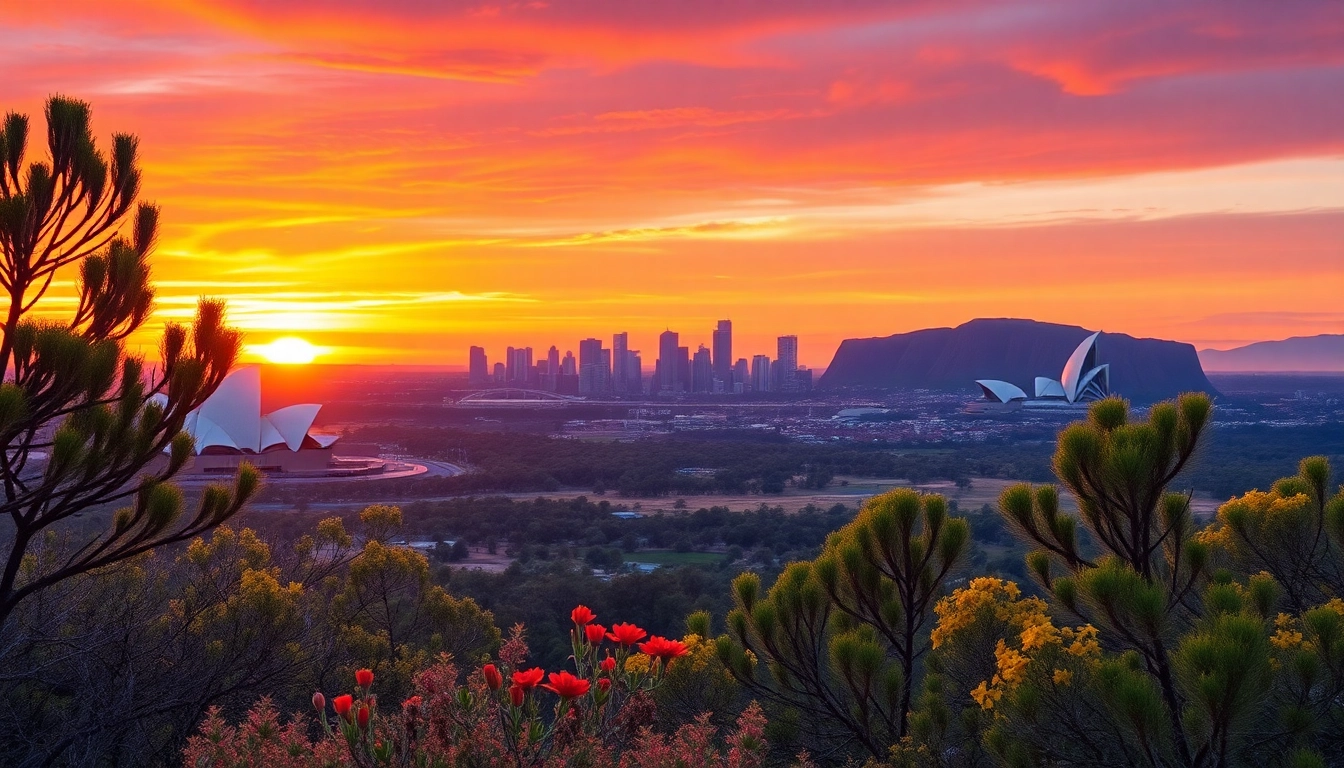
1. Introduction to Australia
Australia, a land of stunning landscapes and diverse cultures, is an enticing destination for tourists, adventurers, and those seeking to explore unique environmental and social dynamics. As the world's sixth-largest country, Australia boasts a significant range of geographical wonders, cultural diversity, and historical significance. It is a country that has much to offer, from vibrant cities to extraordinary natural sites. In this article, we delve into the many aspects of Australia, exploring its geography, culture, natural wonders, and practical travel insights.
1.1 Overview of Australia's Geography
Australia is known as the world's flattest and driest inhabited continent. It is characterized by its vast deserts, verdant coastlines, and towering mountain ranges. With a size that spans approximately 7.7 million square kilometers, Australia features diverse ecosystems ranging from arid interiors in the Outback to lush coastal regions. The Great Dividing Range, running along the eastern coast, is the most substantial mountain range in Australia, influencing climate and biodiversity across the continent.
The country is bordered by the Indian Ocean to the west and the Pacific Ocean to the east, which contributes to a variety of marine and coastal ecosystems. Coastal cities like Sydney and Brisbane serve as gateways to stunning beaches and marine life, while inland areas like Alice Springs provide access to unique desert landscapes and Indigenous cultural experiences.
1.2 Cultural Diversity in Australia
Australia is one of the most multicultural nations globally, welcoming immigrants from all corners of the world. This cultural mosaic is reflected in its languages, food, and festivals. Around 300 languages are spoken across the country, with English serving as the primary language. The rich tapestry of cultures also means that Australia is home to a diverse array of cuisines, from traditional Australian barbecue to Asian and Mediterranean influences.
A significant aspect of Australia's identity is its Indigenous peoples, who possess a deep connection to the land. Their ancient cultures, which date back over 65,000 years, offer invaluable insights into Australia's history and environment, represented through art, music, and storytelling. Understanding this cultural background is crucial for appreciating both the contemporary and historical significance of Australia.
1.3 Significance of Australia in the Global Context
Australia holds an important position on the global stage, recognized for its robust economy and skilled workforce. As a member of various international organizations, including the United Nations and the Commonwealth of Nations, Australia contributes to global discussions on trade, environmental conservation, and social issues. Its strategic geographic position makes it vital in the Asia-Pacific region, acting as a bridge between Western and Eastern cultures.
Moreover, Australia’s reputation as an educational hub attracts international students, bolstering its economy and cultural diversity. The country’s commitment to research and innovation further positions it as a leader in various global sectors, including technology, healthcare, and environmental science.
2. Natural Wonders of Australia
Australia's landscape is dotted with incredible natural wonders that showcase the country's beauty and biodiversity. From the vibrant corals of the Great Barrier Reef to the arid expanses of the Outback, nature in Australia is diverse and captivating.
2.1 The Great Barrier Reef: A Marine Paradise
The Great Barrier Reef, one of the Seven Natural Wonders of the World, is the largest coral reef system on the planet. Stretching over 2,300 kilometers along the Queensland coastline, it is home to thousands of species of marine life, including coral, fish, and sea turtles. The reef attracts millions of tourists each year who come to snorkel, dive, and explore its mesmerizing underwater world.
Conservation efforts are crucial for the reef's survival as it faces threats from climate change, pollution, and overfishing. Organizations are actively working to promote sustainable tourism practices and to raise awareness about the importance of protecting this natural wonder.
2.2 Unique Wildlife of Australia
Australia is renowned for its unique wildlife, much of which cannot be found anywhere else in the world. Iconic animals such as kangaroos, koalas, and platypuses inhabit this vast continent, making it a haven for wildlife enthusiasts and photographers. The country's isolation has led to the evolution of distinct species, contributing to its rich biodiversity.
National parks, such as Kakadu and Uluru-Kata Tjuta, are critical for preserving these species and their natural habitats. Visitors can engage in eco-tours that promote wildlife conservation while learning about Australia's diverse ecosystems.
2.3 National Parks and Conservation Efforts in Australia
Australia is home to over 500 national parks, showcasing its exceptional landscapes and biodiversity. From the rugged mountains of the Snowy Mountains to the tropical rainforests of Daintree, these parks are crucial for preserving the country's natural heritage. Conservation efforts in Australia focus on protecting native species, managing threats such as invasive species, and restoring degraded habitats.
Engaging with the local Indigenous communities can offer unique insights into ecological practices that have sustained the land for thousands of years. Australia's national parks provide opportunities for hiking, camping, and experiencing the country's natural beauty while emphasizing the importance of conservation.
3. Australia's Vibrant Cities
Australia's cities are vibrant hubs of culture, offering a blend of artistry, gastronomy, and modern amenities. Each city possesses a unique character shaped by history, geography, and multicultural influences.
3.1 Sydney: A Blend of Culture and Modernity
Sydney, Australia's largest city, is famous for its iconic landmarks such as the Sydney Opera House and Sydney Harbour Bridge. This cosmopolitan city combines stunning beaches, vibrant neighborhoods, and a rich cultural scene. Visitors can explore world-class museums, attend international festivals, and enjoy an array of culinary delights that reflect its diverse population.
The city's laid-back atmosphere is juxtaposed with its bustling urban life, making it an ideal destination for tourists seeking both relaxation and excitement. Outdoor activities abound, with opportunities for sailing, surfing, and coastal walks along the scenic Bondi to Coogee trail.
3.2 Melbourne: The Arts and Coffee Capital of Australia
Melbourne is often referred to as the cultural capital of Australia, celebrated for its artistic expression and creative community. The city's laneways are lined with street art, cafes, and galleries, fostering an environment that thrives on innovation and creativity. Events such as the Melbourne International Comedy Festival and the Melbourne International Film Festival draw visitors from around the globe.
Food culture in Melbourne is vibrant, with an emphasis on specialty coffee and diverse culinary experiences. The city's blend of cultures is reflected through its food festivals, showcasing cuisines from around the world. Melbourne's unique charm lies in its ability to fuse tradition with modernity, making it an exciting destination for travelers.
3.3 Brisbane: Gateway to Adventure and Eco-tourism in Australia
Brisbane, known for its warm climate and outdoor lifestyle, serves as a gateway to adventure and eco-tourism. The city's location provides easy access to stunning destinations such as the Gold Coast and the Sunshine Coast, both of which are famous for beautiful beaches and lush hinterlands. Brisbane itself boasts a thriving arts scene, a multicultural atmosphere, and an array of parks and green spaces.
The Brisbane River provides opportunities for water activities, and the city's many biking paths and walking trails make it easy to explore. Additionally, the city's commitment to sustainability and eco-friendly initiatives has earned it recognition as an emerging leader in green tourism.
4. Travel Tips for Visiting Australia
To ensure a memorable journey through Australia, travelers should be well-informed about the country's best practices for exploration, local customs, and logistical considerations.
4.1 Best Time to Visit Australia
The best time to visit Australia largely depends on the region. Generally, the southern parts experience summer from December to February, while the northern areas have a tropical climate with wet and dry seasons. For more temperate weather, consider visiting between March and May or from September to November, when crowds are smaller and outdoor activities are more pleasant.
4.2 Transportation Options Within Australia
Australia offers a variety of transportation methods for travelers. Major cities are well-connected through public transport systems, including buses, trains, and ferries. Domestic flights can be an efficient way to cover long distances between cities and attractions. For those looking for flexibility, renting a car or a camper van allows for exploration at your own pace, particularly in more remote areas.
4.3 Must-See Attractions in Australia
Australia is filled with must-see attractions that cater to varied interests. Some highlights include the stunning beaches of the Gold Coast, the rugged landscapes of the Australian Outback, the historic sites of Sydney, and the cultural experiences in Melbourne. For nature enthusiasts, the Blue Mountains National Park and the lush rainforests of Queensland are also highly recommended.
5. FAQs About Australia
5.1 What is the climate like in Australia?
Australia experiences a diverse climate, ranging from tropical in the north to temperate in the south, with hot summers and mild winters. Rainfall varies widely, with coastal regions generally receiving more moisture compared to the arid interior.
5.2 What are some popular dishes in Australia?
Popular dishes in Australia include Vegemite on toast, meat pies, Anzac biscuits, and barbecued sausages. The country also has a vibrant dining scene influenced by multiculturalism, showcasing diverse cuisines.
5.3 How do I prepare for a trip to Australia?
Prepare for your trip to Australia by researching visa requirements, packing suitable clothing for the weather, and planning your itinerary to include key sites and attractions. Familiarize yourself with local customs and wildlife safety precautions.
5.4 What are the visa requirements for Australia?
Visa requirements for Australia vary based on nationality and the purpose of your visit. Most travelers will need to apply for a visitor visa before their arrival, which can typically be done online.
5.5 Is Australia safe for travelers?
Australia is generally considered a safe destination for travelers. However, it is advisable to stay informed about local regulations and weather conditions, especially concerning wildlife and natural hazards.