Understanding the Role of a New York City Commercial General Contractor
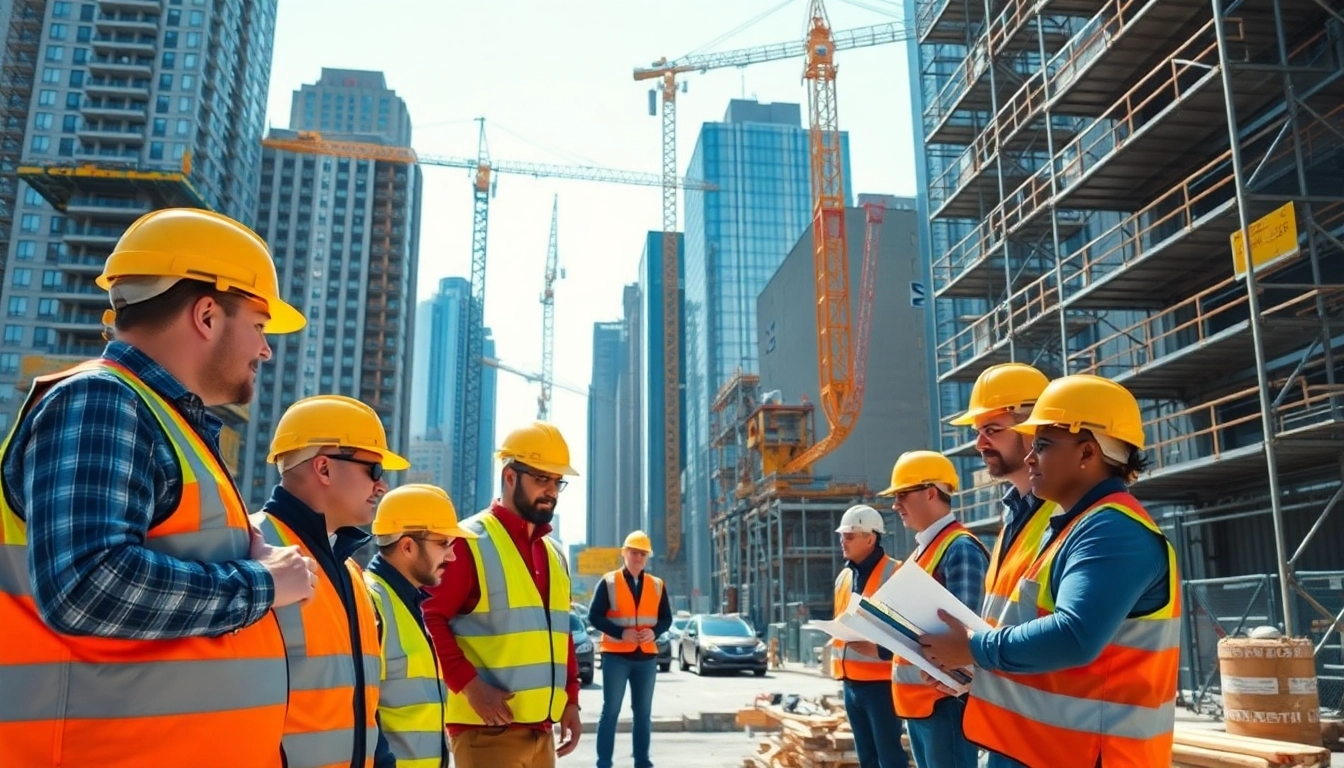
General contractors play a pivotal role in the construction arena, especially in a dynamic and bustling environment like New York City. Tasked with managing multiple aspects of a construction project, they act as the primary contractor responsible for the coordination and oversight of the entire project. By engaging a New York City Commercial General Contractor, clients can ensure that their construction projects are handled with expertise and efficiency.
What Does a General Contractor Do?
A general contractor oversees the construction process from the ground up. Their responsibilities encompass:
- Project Planning: Developing timelines, determining budgets, and selecting tools and materials needed for the project.
- Hiring Subcontractors: Finding and managing subcontractors such as electricians, plumbers, or carpenters essential for specialized tasks.
- Building Permits: Securing necessary permits and ensuring compliance with local building codes.
- Budget Management: Maintaining financial control of the project and addressing any potential budget overruns.
- Problem-Solving: Actively addressing any issues or delays that arise during the construction process.
Benefits of Hiring a New York City Commercial General Contractor
Engaging a New York City Commercial General Contractor offers numerous advantages:
- Expertise: They bring a wealth of knowledge regarding construction processes, safety standards, and efficient practices.
- Efficiency: A general contractor efficiently coordinates tasks, preventing delays and ensuring the project stays on schedule.
- Quality Assurance: With experience in the field, they ensure high-quality work by managing and vetting subcontractors.
- Peace of Mind: By hiring a general contractor, clients can mitigate risk and focus on their core business functions while ensuring their project progresses smoothly.
Types of Projects Handled by General Contractors
In New York City, general contractors manage a diverse range of commercial projects, including:
- Office Buildings: Construction or renovation of office spaces, including open-floor plans and collaborative areas.
- Retail Outlets: Building retail spaces tailored to meet the needs of various businesses, from boutiques to large chain stores.
- Hospitality Venues: Developing hotels, restaurants, and cafes with attention to aesthetics and functionality.
- Healthcare Facilities: Building or renovating hospitals and clinics with compliance to healthcare regulations and patient safety.
- Industrial Projects: Constructing warehouses or manufacturing plants that meet specific operational needs.
Key Factors to Consider When Selecting a New York City Commercial General Contractor
Evaluating Experience and Qualifications
When considering a general contractor, it’s essential to evaluate their experience and qualifications. Look for:
- Years in the Industry: The more experience they have, the better they are likely to understand the nuances of commercial construction.
- Project Portfolio: Review past projects to assess quality and fit for your specific needs.
- Licensing and Certification: Ensure they have the necessary licenses, permits, and are insured to operate legally in New York City.
- References: Request references from previous clients to gauge satisfaction and reliability.
Understanding Cost Structures and Quotes
Understanding a contractor's cost structures can significantly influence your project’s budget:
- Transparent Quotes: A reliable contractor should provide clear, itemized quotes that detail all expected costs.
- Payment Terms: Understand payment schedules and conditions tied to milestones or completion stages.
- Budget Overruns: Discuss how potential overruns will be handled and the contingencies in place.
Importance of Communication and Collaboration
Effective communication is crucial for a successful construction project. Ensure that the contractor prioritizes:
- Regular Updates: Stay informed on project progress through scheduled updates.
- Open Channels: Maintain open communication channels for questions and concerns during construction.
- Collaboration with Team: Discuss how they intend to coordinate with your team and other stakeholders involved.
Common Challenges Faced by New York City Commercial General Contractors
Project Delays and Budget Overruns
Delays and budget overruns are common in construction. To mitigate these challenges:
- Thorough Planning: Invest ample time in the planning phase to foresee potential pitfalls.
- Contingency Funds: Set aside a budget for contingencies to cover unexpected costs.
- Regular Monitoring: Conduct regular project assessments to track progress against timelines and budgets.
Navigating Local Building Codes and Regulations
New York City has complex construction regulations. A proficient contractor should:
- Know the Codes: Maintain an up-to-date understanding of local codes and zoning laws.
- Obtain Permits: Ensure all necessary permits are acquired to avoid legal setbacks.
- Compliance Checks: Regularly perform compliance checks throughout the construction process.
Managing Client Expectations and Changes
Clients often change requirements during a project. Contractors should establish guidelines to address changes effectively:
- Change Orders: Implement a change order process to document scope alterations and associated costs.
- Expectation Management: Communicate openly about feasibility, timelines, and associated costs for changes.
- Flexibility: Be prepared to adapt while keeping project goals aligned.
Best Practices for Working with Your New York City Commercial General Contractor
Establishing Clear Objectives from the Start
Defining your goals at the outset is key to a successful project. Ensure that you:
- Articulate Vision: Share your vision and outcomes to guide the contractor in execution.
- Set Deliverables: Outline expected deliverables and quality standards.
- Define Timelines: Establish a clear timeline for project phases and final completion.
Maintaining Continuous Communication
Regular communication with your contractor can prevent misunderstandings and streamline processes:
- Weekly Meetings: Schedule weekly progress meetings to assess timelines and address issues.
- Progress Reports: Request regular written updates documenting ongoing work and any encountered challenges.
- Open Feedback: Provide feedback throughout the project to align expectations and outcomes.
Monitoring Progress and Quality Control
Getting involved in the monitoring process helps ensure the project meets standards:
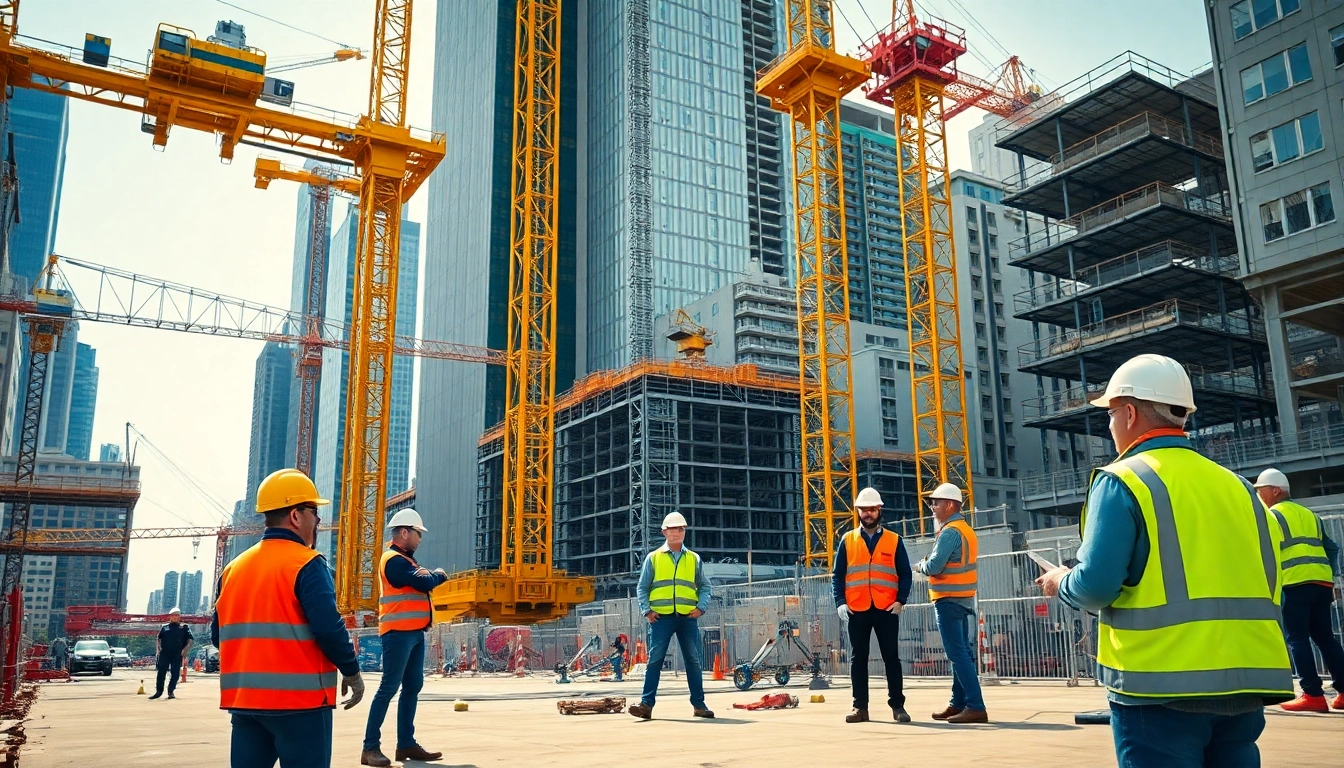
- Site Visits: Visit the job site periodically to observe progress and workmanship firsthand.
- Quality Checks: Implement a quality assurance program to confirm that work meets predetermined standards.
- Final Inspections: Conduct thorough inspections before project completion to ensure all specifications are met.
Future Trends in the New York City Commercial General Contracting Industry
Embracing Sustainable Practices
Sustainability is becoming a priority. Future projects should focus on:
- Green Materials: Use eco-friendly materials and practices that reduce environmental impact.
- Energy Efficiency: Incorporate energy-efficient systems to promote sustainability.
- Waste Management: Implement effective waste reduction strategies during construction.
Integrating Technology in Construction Processes
The integration of technology will continue to shape the industry:
- BIM Technology: Utilize Building Information Modeling (BIM) for better project visualization and collaboration.
- Project Management Software: Employ cohesive software solutions to manage timelines, budgets, and communication.
- Drones and Robotics: Leverage drones for site surveys and robotics for repetitive tasks to enhance efficiency.
Adapting to Market Changes and Client Needs
The construction landscape is ever-evolving, requiring flexibility to meet changing demands:
- Market Research: Continually assess market trends to anticipate client needs and adjust services accordingly.
- Flexible Services: Offer a range of services that can be tailored to different client projects.
- Client-Centric Approach: Maintain a focus on client satisfaction and evolving expectations.
Frequently Asked Questions
1. How do I choose the right commercial general contractor?
Evaluate their experience, check references, review sample projects, and ensure they understand local building codes and regulations.
2. What is the average cost of hiring a general contractor in NYC?
The average cost varies based on project complexity, but anticipate a range between 8%-15% of the total project cost for contractor fees.
3. How long does a typical commercial construction project take?
Project duration can vary widely, from a few months for minor renovations to over a year for large commercial buildings, depending on scope.
4. What should I include in my construction contract?
Ensure your contract includes project scope, timelines, payment schedules, and any contingencies for changes or delays.
5. How can I prevent budget overruns during construction?
Prevent overruns by maintaining a contingency budget, conducting regular assessments, and ensuring clear communication of project changes.