Understanding House Washing
Definition and Purpose of House Washing
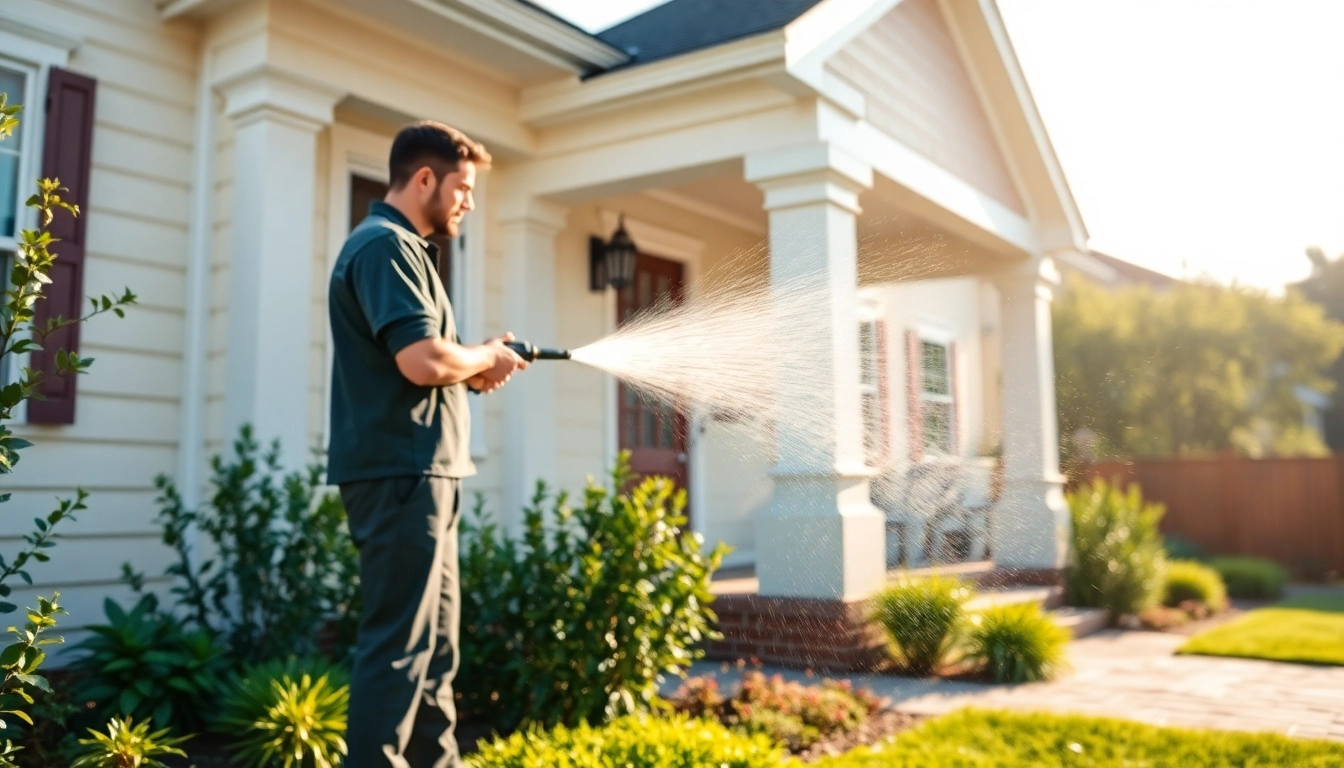
House washing refers to the process of cleaning the exterior surfaces of a home using various techniques, including low-pressure washing and soft washing. The primary purpose of house washing is to restore the aesthetics of a home's exterior, remove harmful substances such as mold, mildew, and grime, and enhance curb appeal. Regular house washing not only makes your home visually appealing but also helps in maintaining the integrity of surfaces by preventing damage caused by buildup.
Benefits of Regular House Washing
Regular House Washing offers numerous benefits. One of the most significant advantages is the elimination of contaminants that can lead to the deterioration of your home's exterior. For instance, mold and mildew can cause wood rot, while dirt accumulation can lead to paint deterioration. Additionally, a clean home exterior can contribute to better health by reducing allergens. Furthermore, maintaining a clean appearance can enhance property value, making it crucial for homeowners planning to sell or rent.
When to Schedule House Washing
Scheduling house washing depends on various factors, including climate, location, and individual preferences. Typically, homes in humid climates may require more frequent washing to combat mold growth. It is advisable to schedule a wash at least once a year; however, homes surrounded by trees or in highly polluted areas may need more frequent attention. Additionally, visible stains or when preparing for special occasions are ideal times to consider house washing.
House Washing vs. Pressure Washing
Differences in Techniques
While both house washing and pressure washing aim to clean exterior surfaces, the techniques and methodologies differ significantly. House washing typically employs a gentler approach, using low pressure to avoid damaging sensitive surfaces. This method is perfect for painted surfaces, shingles, and siding. In contrast, pressure washing utilizes high-pressure streams to blast away dirt and debris, making it more suitable for hard surfaces such as concrete driveways and stone patios. Understanding these differences is crucial in selecting the appropriate technique for your cleaning needs.
When to Use Each Method
Choosing between house washing and pressure washing depends on the type of surface being cleaned. House washing is ideal for delicate surfaces such as vinyl siding, wooden decks, and roofs, where excessive force might cause damage. On the other hand, pressure washing is better suited for tough stains on surfaces like concrete or brick, where aggressive cleaning ensures complete removal of dirt and grime.
Potential Risks and Benefits
Each cleaning method presents its own set of risks and benefits. The primary benefit of house washing is its ability to clean without damaging sensitive materials, making it a safe choice for most residential exteriors. However, if not performed correctly, it might not remove stubborn stains effectively. Conversely, pressure washing is powerful and efficient but poses a risk of damaging softer materials or pushing water behind siding if not done carefully. It’s essential to assess the risks and choose the appropriate method wisely.
Preparing for House Washing
Assessing Your Home’s Needs
Before scheduling a house wash, take a moment to assess your home’s needs. Look for areas that show visible signs of staining, mildew, or accumulated dirt. Different surfaces may require varied approaches; for example, wooden surfaces need gentler techniques compared to concrete. Understanding the extent of dirtiness can help in determining whether to undertake a DIY cleaning or hire a professional.
Choosing the Right Equipment
If you're planning to wash the house yourself, selecting the right equipment is critical. For house washing, you will typically need a low-pressure washer or a soft wash system equipped with appropriate nozzles. The detergent used is also essential; choose a cleaning solution formulated for the specific type of surface you're addressing. Always ensure that you're familiar with the equipment to avoid accidents and damage.
Safety Precautions to Consider
Safety should always be a top priority when washing your home. Ensure you wear protective gear, including goggles and gloves, to shield against chemical exposure and flying debris. Test the pressure washer on a small inconspicuous area before full application to avoid damage. Ensure proper ladder safety protocols if reaching heights and have a clear plan for electrical outlets and other potential hazards around your home.
Finding Professional House Washing Services
What to Look for in a Service Provider
When seeking professional house washing services, it’s essential to do thorough research. Look for companies with good reputations, verified reviews, and relevant experience in the field. Ensure that they are insured and bonded, which protects you in case of accidents during the cleaning process. Checking for customer testimonials can also provide insights into the reliability and quality of service.
Questions to Ask Before Hiring
Before hiring any service provider, prepare a list of questions to assess their capabilities thoroughly. Inquire about their cleaning methods, the equipment they use, and information on the types of cleaning solutions, especially regarding their eco-friendliness. Asking about their experience with similar surfaces and previous projects can shed light on their expertise in handling unique situations.
Reading Reviews and Testimonials
Online reviews and testimonials serve as a valuable resource in selecting the right house washing service. Platforms like Yelp, Google, and Angi offer honest feedback from previous clients, providing insight into the quality of service and customer care. Pay attention to both positive and negative reviews to get a balanced view of the company’s performance and customer satisfaction.
FAQs About House Washing
How often should I wash my house?
It's recommended to wash your house at least once a year. However, if you live in a humid area or near a lot of trees, more frequent washings may be necessary to prevent mold and grime buildup.
What is included in a typical house wash?
A basic house wash typically includes the removal of organic material such as dirt, mold, mildew, and algae. Any special inorganic stains, like oil or rust, may require additional treatments.
Can I wash my house myself?
Yes, you can wash your house yourself if you have the right equipment and understand the techniques. However, hiring a professional may yield better results, especially for tougher stains or delicate surfaces.
How much does house washing typically cost?
The cost of house washing varies based on factors such as size, location, and the service provider. Average costs range between $241 and $418, but can fluctuate based on the specifics of the job.
Are there any eco-friendly house washing options?
Yes, many companies offer eco-friendly cleaning solutions that effectively clean without harming the environment. These products are safe for plants and animals while providing effective results.