Understanding Havc Duct Leakage
What is Havc Duct Leakage?
Havc duct leakage refers to the unintended escape of conditioned air from the ductwork used in heating, ventilation, and air conditioning systems. This leakage occurs through holes, cracks, or poorly sealed joints, leading to a loss of efficiency in the HVAC system. Understanding the dynamics of havc duct leakage is crucial for maintaining comfortable indoor environments and reducing energy wastage.
Causes of Havc Duct Leakage
Several factors contribute to the occurrence of havc duct leakage, including:
- Aging Infrastructure: Older homes and buildings often possess ductwork that has deteriorated over time, resulting in fractures or disconnections.
- Poor Installation: Improper installation of duct systems can lead to gaps and misalignments that create opportunities for leaks.
- Mechanical Damage: Ducts can suffer damage from a range of sources, including construction work, pests, or even normal usage.
- Temperature Changes: Expansion and contraction of duct material with fluctuating temperatures can cause cracks and weak spots to develop.
Impact of Havc Duct Leakage on Efficiency
The leakage of air from HVAC ducts can significantly reduce the system's efficiency. Studies estimate that homes can lose anywhere from 20% to 30% of their heating and cooling energy due to duct leakage. This inefficiency results in:
- Increased Energy Bills: A higher energy demand means higher utility costs, as the HVAC system works harder to compensate for lost conditioned air.
- Inconsistent Temperatures: Rooms may feel warmer or cooler than intended, leading to discomfort and increased usage of the thermostat.
- Shortened Equipment Lifespan: The strain on heating and cooling units can cause them to wear out faster, resulting in more frequent repairs or replacements.
Signs of Havc Duct Leakage
Common Indicators of Leakage
Identifying signs of havc duct leakage is crucial for timely repairs. Common indicators include:
- Uneven Heating or Cooling: If certain rooms are noticeably warmer or cooler, your ducts may be leaking.
- Increased Energy Costs: A spike in your energy bills without an increase in usage can suggest air loss.
- Strange Noises: Unusual sounds, such as whistling or hissing from ducts, often indicate leaks.
- Dust and Debris Accumulation: Excessive dust around vents can indicate air escaping from ducts.
Visual Inspection Techniques
A visual inspection of your ductwork can help catch leaks early. Key strategies include:
- Inspecting Easy-to-Access Areas: Check exposed ducts in basements, attics, and crawl spaces for visible gaps or damages.
- Examine Connections: Look closely at duct joint connections and seams, which are prime spots for leaks.
- Use Lighting: Shine a flashlight along ductwork to reveal holes or cracks that may not be visible in normal light.
Using Tools for Detection
For a more thorough investigation, several tools can assist in detecting duct leaks:
- Smoke Pens: These devices produce smoke that can visibly show airflow and highlight leaks.
- Infrared Cameras: They can detect temperature differences that indicate leaks by visualizing areas that are losing conditioned air.
- Flow Meters: These can measure the airflow in different sections of the duct system and identify inconsistencies.
Testing for Havc Duct Leakage
Methods for Duct Leakage Testing
Testing for havc duct leakage can be done through various methods, including:
- Blower Door Test: A fan is used to create a pressure difference, which can help identify leaks throughout the home, including ductwork.
- Static Pressure Testing: Measures the pressure in the duct system to identify discrepancies that suggest leaks.
- Duct Blasting: A device used to pressurize the duct system, allowing the assessment of duct leakage through calculated airflow loss.
Interpreting Test Results
Once tests are conducted, understanding the results is crucial:
- Dynamic Pressure: A consistent low pressure reading may signify extensive leakage.
- CFM Measurements: Observe whether the CFM (Cubic Feet per Minute) aligns with manufacturer specifications; significant deviations suggest leaks.
- Location of Leaks: Knowing where leaks occur can help target repairs effectively.
When to Conduct Tests
Regular testing is recommended in various scenarios, including:
- After Major Renovations: Home renovations can alter the duct system, prompting a leak test.
- When Experiencing Symptoms: If energy bills rise or comfort levels drop, it's wise to conduct duct testing.
- Every Few Years: Routine checks help maintain system efficiency and prevent costly repairs.
Sealing Havc Duct Leakage
Materials for Sealing Ducts
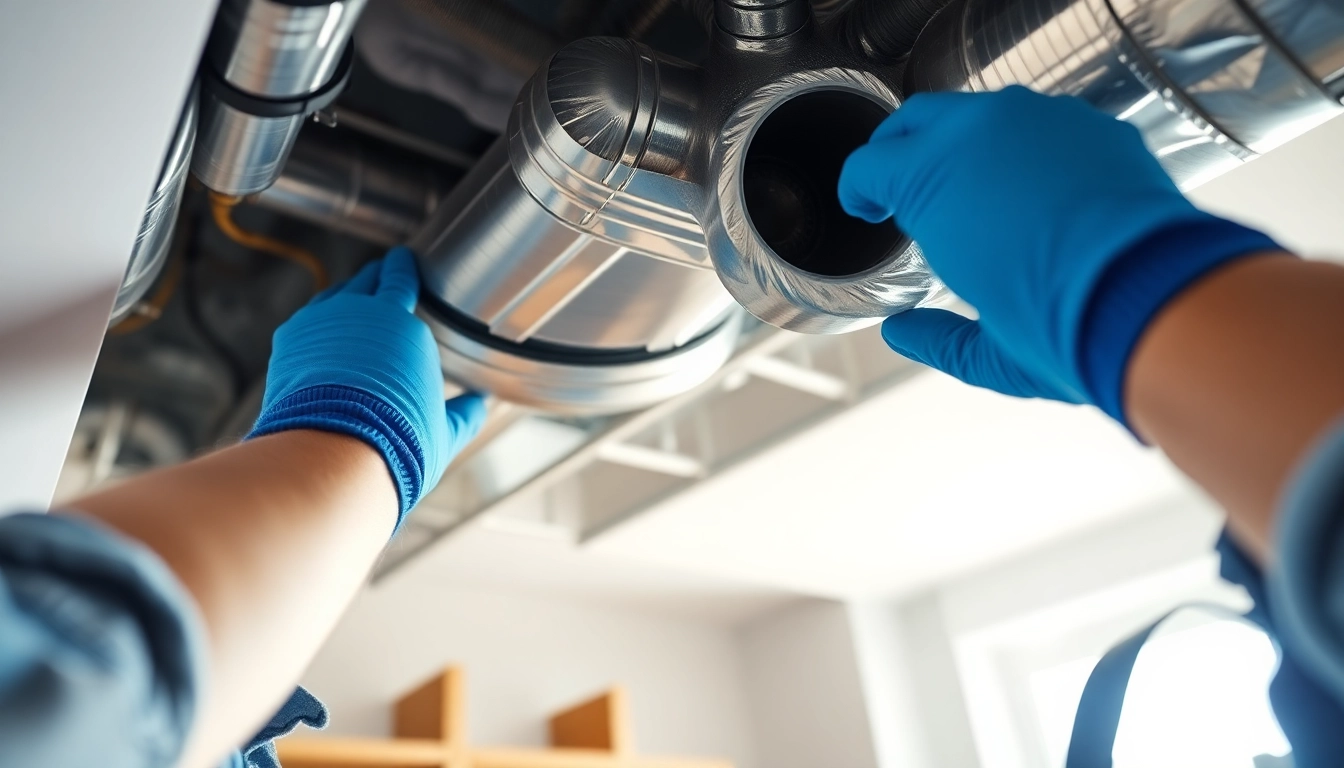
When it comes to sealing ducts, several materials and methods are available:
- Acrylic Mastic: Ideal for sealing large gaps; applies easily and dries to form a solid seal.
- Foil Tape: Best for HVAC duct seams; it’s durable and weather-resistant.
- Self-Adhesive Duct Sealing Foams: Helpful for areas difficult to reach and around irregular pipe shapes.
DIY Sealing Solutions vs. Professional Help
Deciding between DIY sealing and hiring professionals depends on the severity and extent of leaks. DIY methods may suffice for minor leaks, but professionals can handle complex systems and ensure thorough sealing. To guide your decision:
- Assess Your Skills: If you're comfortable with home repairs, starting with DIY can be effective.
- Evaluate the Duct Condition: If the ducts are old or extensively damaged, seek professional assistance.
- Cost Considerations: Weigh potential savings against the risk of improper sealing that could exacerbate issues.
Long-term Maintenance Tips
To maintain duct integrity and prevent future leaks:
- Regular Inspections: Schedule inspections at least every couple of years.
- Maintain Clean Filters: Clogged filters can lead to higher pressures and potential duct issues.
- Address Humidity Levels: High humidity can impact duct integrity; consider ventilation improvements.
FAQs about Havc Duct Leakage
What are the symptoms of havc duct leakage?
Symptoms include inconsistent temperatures, increased energy bills, and unusual sounds from ductwork.
How much does duct leakage testing cost?
The cost varies based on your location and the home's complexity, typically ranging from $100 to $300.
Is it possible to test for duct leaks DIY?
Yes, using methods like smoke pens or handheld blowers can help identify leaks, but professional assessment is more thorough.
How often should duct leakage testing be done?
It’s advisable to conduct duct tests every few years, especially after major renovations or if noticeable issues arise.
What can I do to prevent havc duct leakage?
Regular maintenance, using quality materials during installation, and timely repairs can help minimize the risks of duct leakage.