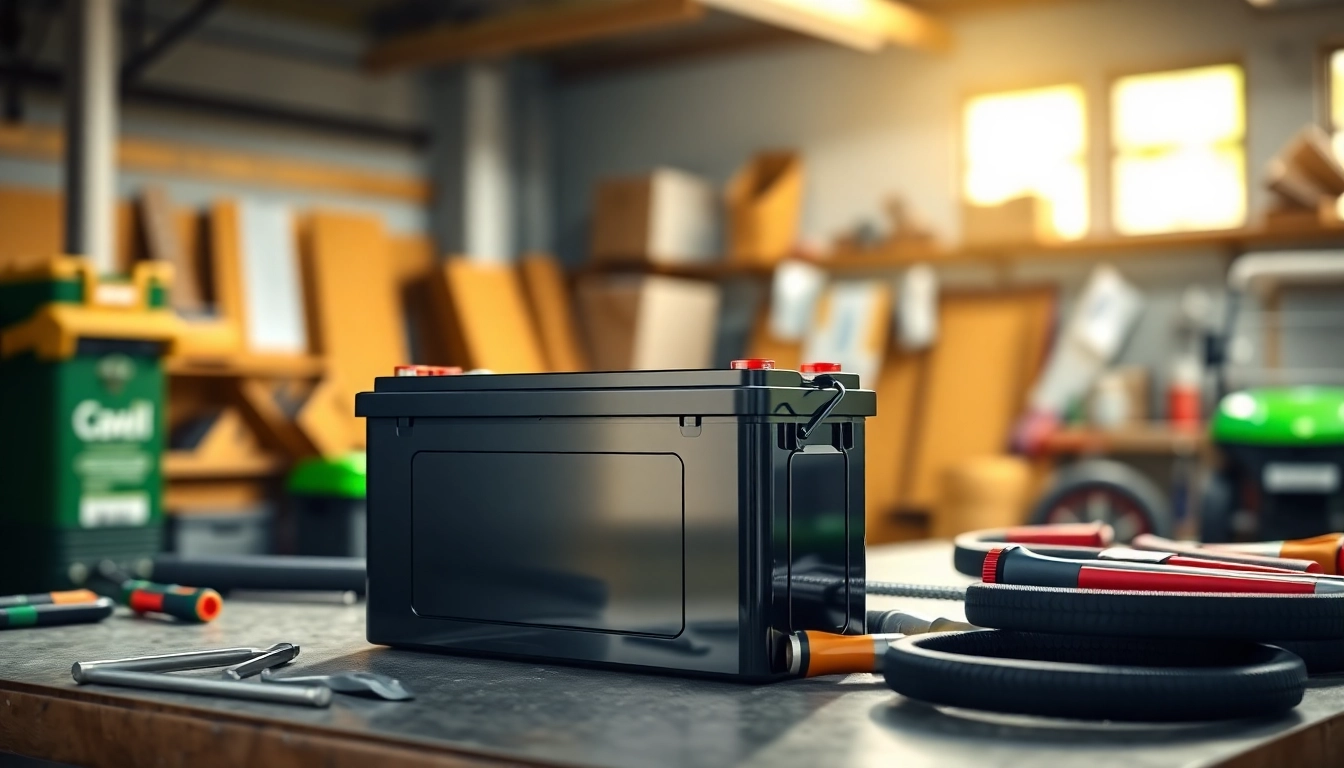
Understanding Lithium Golf Cart Batteries
What Are Lithium Golf Cart Batteries?
Lithium golf cart batteries are advanced energy storage solutions specifically designed to power golf carts, providing numerous benefits over traditional lead-acid batteries. Made from lithium iron phosphate (LiFePO4), these batteries offer a lightweight, compact form that is perfect for the demands of modern golfing. They are especially known for their high energy density, allowing for longer usage times between charges.
Benefits of Lithium Golf Cart Batteries
The adoption of lithium golf cart batteries is rising as users discover the many advantages they offer. First and foremost, their lifespan is significantly greater than lead-acid batteries, often exceeding 5,000 cycles compared to the typical 500-1,000 cycles of lead-acid variants. Additionally, these batteries charge more quickly, with full charging times often less than two hours, making them ideal for busy golf courses. Another noteworthy benefit is their reduced weight. Lithium batteries can weigh up to 50% less than equivalent lead-acid units, allowing golf carts to operate more efficiently and utilize their energy better. Moreover, they are more environmentally friendly, as they contain no toxic materials and can be recycled more readily.
How Lithium Golf Cart Batteries Compare to Traditional Batteries
In comparing lithium batteries to traditional lead-acid batteries, the advantages become starkly evident. Lithium batteries are less prone to sulfation, a common issue with lead-acid batteries that reduces their effectiveness over time. Additionally, lithium batteries perform better in a wider range of temperatures, making them suitable for varied climatic conditions. Furthermore, while lithium batteries cost more upfront, their long-term savings in maintenance and replacement costs more than justify the initial investment. Users also benefit from faster acceleration and better performance from their golf carts, elevating the overall golfing experience.
Choosing the Right Lithium Golf Cart Batteries
Factors to Consider Before Purchasing
When shopping for lithium golf cart batteries, various factors should guide your selection. The first consideration is the compatibility with your specific golf cart model, as some carts may require unique dimensions or voltage specifications. Ensuring that the lithium golf cart batteries are suitable for your cart is crucial for performance. Additionally, consider battery capacity, which is often measured in amp-hours (Ah). This will dictate how long the battery can supply power before needing a charge. Assessing the anticipated usage—such as the number of rounds played, terrain difficulty, and weight of the load on the cart—will inform your battery capacity choice.
Understanding Voltage Options: 36V vs. 48V
Lithium golf cart batteries typically come in different voltage options, with 36V and 48V being the most common. Understanding the difference is key to gaining optimal performance from your golf cart. A 36V system is generally sufficient for lighter carts or flatter terrains, while a 48V system offers more power and efficiency, making it ideal for heavier carts and steeper inclines. Choosing the right voltage ultimately depends on your golfing environment and the performance expectations from your cart. Consult with your cart specifications to decide which voltage meets your needs best.
Evaluating Battery Capacity and Cycle Life
Battery capacity is a critical aspect to evaluate when purchasing Vatrer Power golf cart batteries. A battery with 100Ah will typically provide enough power for a day of golfing, but determining your typical course length and cart usage will refine your decision. Cycle life is another essential factor; lithium batteries have a longer cycle life, meaning they can endure more complete charge and discharge cycles over time compared to traditional alternatives. Investing in a higher capacity lithium battery can be beneficial if you're looking for longevity and performance. It’s also worth considering the warranty period offered, which can provide insight into the manufacturer's confidence in their product’s durability.
Installing Lithium Golf Cart Batteries
Preparation Steps for Installation
Before installing lithium golf cart batteries, proper preparation can lead to a successful setup. First, gather all necessary tools such as wrenches, pliers, and battery terminals. Ensure that your workspace is clean and dry to prevent any mishaps during installation. Review the user manual for specific instructions concerning your golf cart model, including any necessary safety precautions. Also, gather the appropriate connectors if your new batteries differ in terminal configurations from your previous setup. Familiarizing yourself with the battery’s specifications will aid in a smoother installation process.
Installation Process: A Step-by-Step Guide
1. Disconnect the old batteries: Begin by turning off the golf cart and disconnecting the old battery pack. Be sure to remove the negative terminal first to avoid any electrical issues. 2. Clean the battery compartment: Remove any rust or corrosion from the battery terminals and contacts. Cleanliness ensures a good connection with the new batteries. 3. Install the new lithium batteries: Position the new lithium batteries in the compartment, ensuring they sit firmly. Connect them according to your installation guide, starting from the positive terminal and following the wiring configuration specified in the manual. 4. Secure the connections: Use terminal covers as necessary and tighten connections accordingly—avoid over-tightening to prevent damaging the terminals. 5. Test the installation: Once everything is connected, turn on the golf cart and check that it is functioning correctly.
Common Installation Mistakes to Avoid
Getting the installation right the first time can save you from potential issues down the line. One common mistake is not double-checking polarity while connecting the new batteries. Reversing the terminal connections can lead to severe damage or even fire hazards. Additionally, failing to clean the battery compartment can result in poor connections and diminished performance. Always make sure to adhere to the manufacturer’s specifications for installation and avoid overloading the battery beyond its rated capacity to ensure optimal performance.
Maintenance Tips for Lithium Golf Cart Batteries
Best Practices for Battery Longevity
Maintaining your 48V 105Ah Lithium Battery can significantly enhance their lifespan and performance. Regularly monitor the battery's state of charge and avoid allowing it to drop to extremely low levels. Ideally, keep the charge level between 20% to 80% for extended battery health. Store the batteries in a cool and dry location when not in use, and avoid prolonged exposure to extreme temperatures. Frequent, small charging sessions are better than infrequent full cycles. If your batteries have an integrated battery management system (BMS), ensure it's functioning correctly to safeguard against overcharging and overheating.
How to Monitor Battery Health
Monitoring the state of health of your lithium golf cart batteries involves checking their capacity and performance regularly. Many modern lithium batteries come equipped with monitoring systems that can provide real-time data on performance metrics such as voltage, current, and temperature. This information can help you preemptively identify potential issues before they require costly repairs or replacements. Marking the date for your last charge and using logs can also help you pinpoint any irregularities. Ensuring that battery connections remain clean and tight can reduce resistance, improving performance and longevity.
Troubleshooting Common Issues
Even with proper care, issues can arise with lithium golf cart batteries. If you notice your cart is not holding a charge or takes significantly longer to charge than normal, it may be a sign of battery degradation. In such cases, reviewing the battery management system for error codes or unusual readings can be insightful. Another common issue could be a fault in the charger. If the battery seems fine but still isn’t charging, the charger might require repair or replacement. Regularly check connections for corrosion and security, as loose or corroded connections can lead to similar performance issues.
FAQs About Lithium Golf Cart Batteries
What is the lifespan of lithium golf cart batteries?
Lithium golf cart batteries typically last between 5,000 to 10,000 cycles, significantly outlasting lead-acid batteries, which generally serve about 500 to 1,000 cycles.
Can I charge lithium golf cart batteries in cold weather?
It’s advisable to avoid charging lithium golf cart batteries in temperatures below freezing. Charging in a garage or covered space is always best to maintain optimal performance.
How do I know if my lithium golf cart battery needs replacement?
Signs indicating the need for replacement include significantly reduced charge retention, inability to hold a charge, or physical damage to the battery casing.
Are lithium golf cart batteries environmentally friendly?
Yes, lithium golf cart batteries are considered environmentally friendly as they contain no toxic materials and can be recycled effectively, unlike traditional lead-acid batteries.
What is the cost difference between lithium and lead-acid batteries?
While lithium batteries often have a higher upfront cost than lead-acid batteries, their long lifespan and lower maintenance needs often make them more economical over the long-term.