
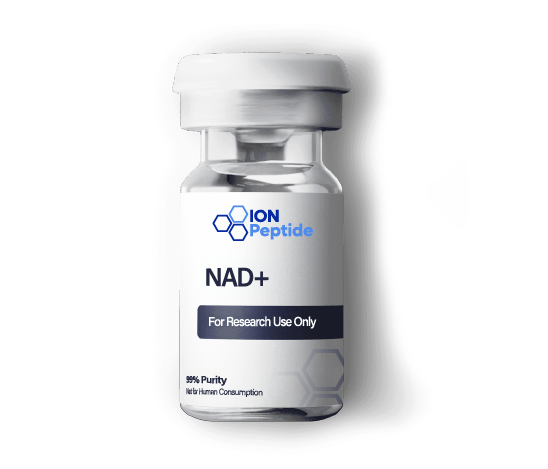
Introduction to NAD+ in Modern Research
NAD+ has emerged as one of the most significant molecules in contemporary scientific exploration, particularly in the fields of biochemistry, cellular biology, and aging research. As a coenzyme found in all living cells, NAD+ plays a critical role in metabolic processes, energy production, and cellular repair mechanisms. The growing interest in high-purity research compounds has brought NAD+ into sharper focus, as researchers seek reliable and consistent materials to support advanced studies.
The demand for NAD+ in laboratory environments has increased due to its involvement in redox reactions and its connection to cellular health. Scientists working in advanced research settings require compounds that meet strict purity standards, ensuring that experimental results are accurate and reproducible. High-purity NAD+ compounds provide the reliability needed for such precision-driven work.
Understanding the Biological Importance of NAD+
NAD+ is fundamental to life at the cellular level. It functions as a coenzyme in oxidation-reduction reactions, helping convert nutrients into usable cellular energy. This process is essential for maintaining cellular activity and supporting overall metabolic balance. In addition to its role in energy metabolism, NAD+ is also involved in DNA repair and gene expression.
As research continues to uncover the depth of NAD+ involvement in biological systems, it has become clear that this molecule is central to understanding aging and cellular degeneration. Scientists studying longevity and regenerative processes often rely on high-quality NAD+ compounds to explore how cells maintain integrity over time.
High-Purity Standards in Research Compounds
The quality of research compounds is a critical factor in scientific success. High-purity NAD+ ensures that experiments are not compromised by contaminants or inconsistencies. Laboratories that focus on advanced studies require compounds that are manufactured under strict quality control protocols, with detailed verification of purity levels.
High-purity NAD+ compounds undergo rigorous testing procedures, including analytical validation and batch consistency checks. These measures guarantee that each sample meets the required specifications, allowing researchers to conduct experiments with confidence. The use of refined purification techniques further enhances the reliability of NAD+ in scientific applications.
Role of NAD+ in Cellular Energy Production
One of the primary functions of NAD+ is its involvement in cellular respiration. It acts as an electron carrier in metabolic pathways such as glycolysis and the citric acid cycle. Through these processes, NAD+ helps generate ATP, the primary energy currency of the cell.
In advanced studies, researchers often investigate how NAD+ levels influence energy efficiency and metabolic health. High-purity NAD+ compounds are essential for such experiments, as they allow precise measurement of biochemical reactions. The ability to observe NAD+ activity in controlled conditions provides valuable insights into cellular function.
NAD+ and Its Connection to Aging Research
The relationship between NAD+ and aging has become a major focus in scientific research. Studies suggest that NAD+ levels decline over time, potentially contributing to age-related cellular dysfunction. This has led researchers to explore ways to maintain or restore NAD+ levels in cells.
High-purity NAD+ compounds enable scientists to examine how supplementation or modulation of this molecule affects cellular aging. By using reliable research materials, investigators can better understand the mechanisms behind longevity and develop strategies for promoting cellular health.
Applications of NAD+ in Advanced Laboratory Studies
NAD+ is widely used in various types of laboratory research, including enzymatic studies, metabolic analysis, and molecular biology experiments. Its versatility makes it an essential component in many experimental setups. Researchers rely on high-purity NAD+ to ensure that their findings are accurate and reproducible.
In biochemical assays, NAD+ serves as a key reagent for measuring enzyme activity. Its involvement in multiple metabolic pathways allows scientists to study complex biological systems with greater precision. The use of purified NAD+ enhances the clarity of experimental results and reduces variability.
Ensuring Consistency in NAD+ Research Materials
Consistency is a cornerstone of scientific research. High-purity NAD+ compounds are produced with strict adherence to standardized protocols, ensuring uniformity across batches. This consistency is vital for experiments that require repeated trials and comparative analysis.
Manufacturers of research-grade NAD+ implement quality assurance measures to maintain product integrity. These include controlled synthesis processes, advanced purification methods, and comprehensive testing. Such practices ensure that researchers receive dependable materials for their work.
The Importance of Verified Purity in NAD+
Verified purity is essential when working with sensitive biological systems. Even minor impurities can affect experimental outcomes, leading to inaccurate conclusions. High-purity NAD+ compounds are carefully analyzed to confirm their composition and eliminate unwanted substances.
Analytical techniques such as chromatography and spectroscopy are commonly used to assess the purity of NAD+. These methods provide detailed information about the compound’s structure and quality. Researchers benefit from this level of verification, as it supports the credibility of their findings.
NAD+ in Metabolic and Enzymatic Research
Metabolic research often centers on understanding how cells process energy and maintain balance. NAD+ plays a key role in these studies, acting as a cofactor in numerous enzymatic reactions. High-purity NAD+ allows scientists to investigate these processes with precision.
Enzymatic studies frequently involve NAD+ as a substrate or coenzyme. By using purified compounds, researchers can observe enzyme behavior under controlled conditions. This helps in identifying reaction mechanisms and understanding how enzymes interact with NAD+ at a molecular level.
Advancements in NAD+ Research Technologies
Technological advancements have significantly improved the production and analysis of NAD+ compounds. Modern techniques enable the creation of high-purity NAD+ with exceptional consistency. These innovations support the growing demand for reliable research materials.
Automation and precision instrumentation have enhanced the ability to monitor NAD+ synthesis and purification. Researchers now have access to compounds that meet the highest standards of quality, allowing them to push the boundaries of scientific discovery.
Supporting Innovation Through High-Quality NAD+
Innovation in science depends on the availability of dependable materials. High-purity NAD+ serves as a foundation for many groundbreaking studies, particularly in fields related to health and longevity. Researchers rely on these compounds to explore new hypotheses and develop advanced methodologies.
The use of NAD+ in experimental research continues to expand as new applications are discovered. High-quality compounds ensure that these explorations are based on accurate and reproducible data, fostering progress in multiple scientific disciplines.
Challenges in NAD+ Research and Solutions
Despite its importance, working with NAD+ presents certain challenges. The molecule can be sensitive to environmental conditions, requiring careful handling and storage. High-purity NAD+ compounds are designed to maintain stability, reducing the risk of degradation.
Researchers must also consider factors such as temperature, light exposure, and pH levels when working with NAD+. Proper laboratory practices and high-quality materials help mitigate these challenges, ensuring that experiments yield reliable results.
Future Directions in NAD+ Studies
The future of NAD+ research holds significant promise. As scientists continue to explore its role in cellular function, new applications are likely to emerge. High-purity NAD+ will remain a critical component in these investigations, supporting advanced studies across various fields.
Emerging research areas include the study of NAD+ in neurobiology, immunology, and metabolic disorders. These fields require precise and consistent research materials, making high-purity NAD+ an indispensable resource.
Conclusion
High-purity research compounds with NAD+ are essential for advancing scientific knowledge and supporting complex laboratory studies. The importance of NAD+ in cellular processes, energy metabolism, and aging research highlights its value in modern science. By ensuring strict quality standards and verified purity, researchers can rely on NAD+ to produce accurate and meaningful results.
As the demand for advanced research continues to grow, the role of NAD+ will become even more significant. High-purity compounds provide the foundation for innovation, enabling scientists to explore new frontiers and deepen our understanding of biological systems.