1. Understanding Silt Petite Sirah Clarksburg
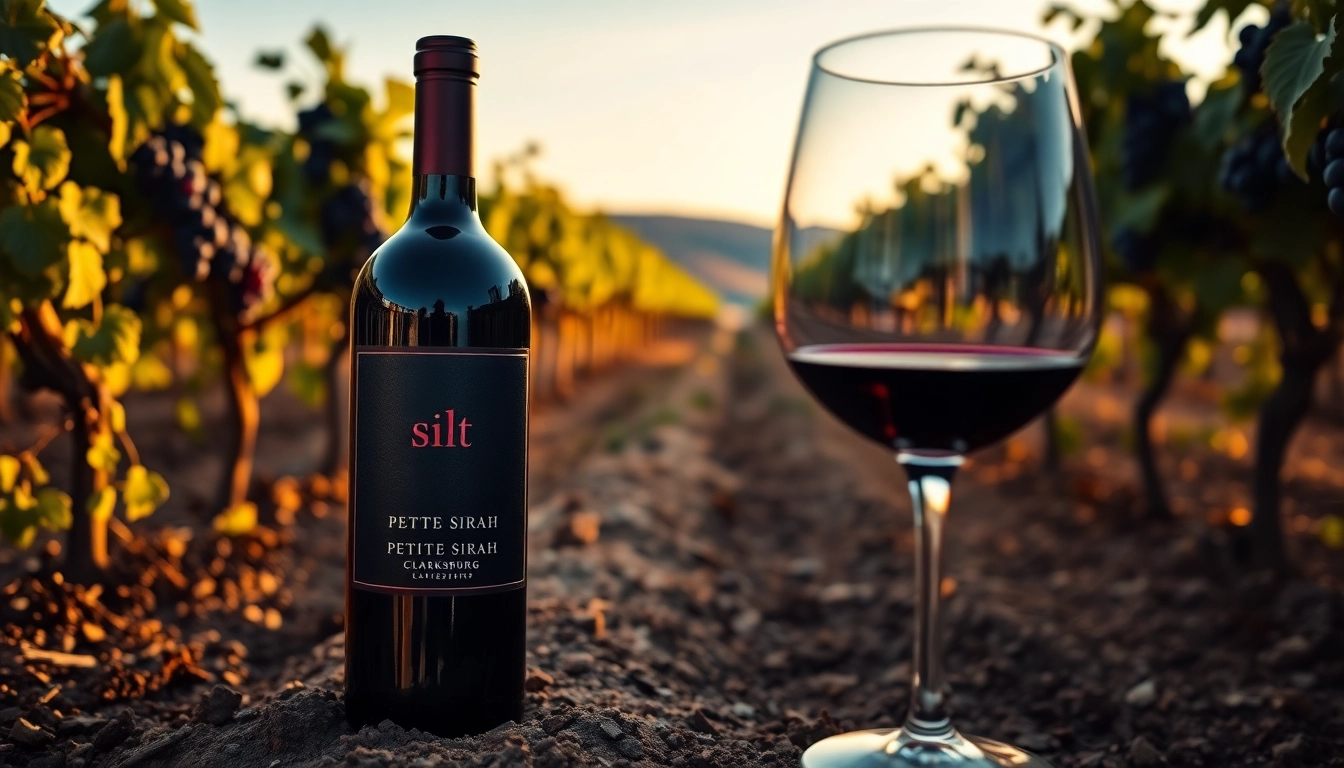
The silt petite sirah clarksburg exemplifies the rich heritage and unique terroir of the Clarksburg region. Known for its bold flavors and distinctive characteristics, petite sirah produces wines that have captivated consumers and connoisseurs alike. This section delves into the origins, flavor profile, and the significance of terroir in enhancing the wine's quality.
1.1 Origins of Petite Sirah in Clarksburg
Petite sirah, originally known as durif, has a fascinating history rooted in California viticulture. In the late 19th century, it was crossbred between syrah and a lesser-known variety. Clarksburg, nestled near the Sacramento River Delta, provides an ideal climate and soil composition that enhance the varietal's natural attributes. The region's warm days and cool nights ensure optimal ripening, leading to rich flavors and full-bodied wines.
1.2 Flavor Profile of Silt Petite Sirah Clarksburg
The flavor profile of silt petite sirah clarksburg is complex, offering a delightful combination of dark fruit flavors such as blackberry and plum, along with subtle spice notes of black pepper and anise. Its robust tannins contribute to a full mouthfeel and a long, lingering finish. A well-crafted petite sirah from Clarksburg reveals a rich tapestry of flavors that evolves with each sip, making it a favorite among red wine enthusiasts.
1.3 The Importance of Terroir in Wine Quality
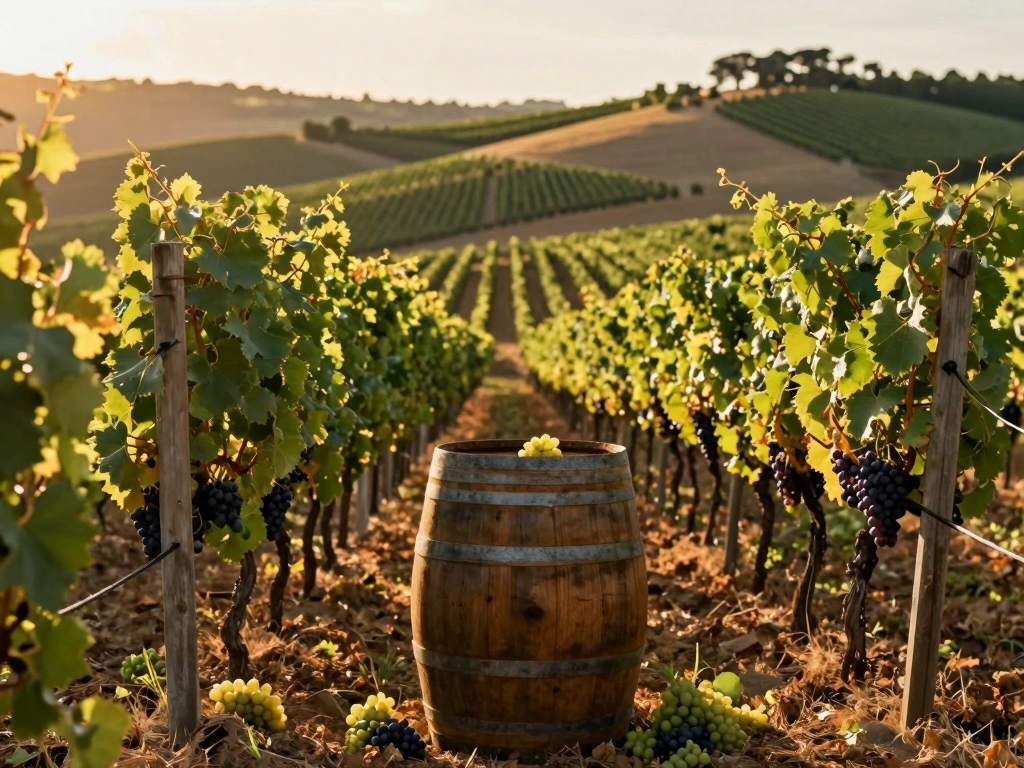
Terroir encompasses the unique environmental factors that influence the cultivation of grapes, including soil composition, climate, and topography. In Clarksburg, the silt and clay soils impart distinct mineral notes to the wine, enhancing its flavor complexity. The local climate, characterized by warm days and cool nights, allows for a balanced ripening process, ensuring that sugars and acidity develop harmoniously. Understanding terroir's role is critical for appreciating the depth and character of silt petite sirah clarksburg.
2. The Winemaking Process of Silt Petite Sirah Clarksburg
The winemaking process plays a pivotal role in shaping the final characteristics of silt petite sirah clarksburg. From harvesting techniques to fermentation methods, each step contributes to the overall quality and personality of the wine. This section examines the essential phases involved in crafting this exquisite varietal.
2.1 Harvesting Techniques and Timing
Timing is crucial for harvesting petite sirah grapes, as it directly affects the sugar and acid levels in the fruit. Grapes are typically harvested at night or early in the morning to preserve their freshness and acidity. Experienced vineyard managers perform rigorous sampling and taste evaluations in the weeks leading up to harvest to determine the optimal picking time. This meticulous approach ensures that the grapes maintain their intense flavor profile and achieve the desired ripeness.
2.2 Fermentation Methods used for Silt Petite Sirah Clarksburg
Once harvested, the grapes undergo fermentation, which is a transformative process that converts sugars into alcohol. Winemakers may employ various fermentation techniques, such as traditional open-top fermenters for small batches or closed systems for larger productions. The use of native yeasts can add complexity to the wine's flavor, while temperature control is crucial to maintain the integrity of delicate flavors. The fermentation period typically lasts from one to three weeks, during which wine is regularly punched down to ensure even extraction of flavors and tannins.
2.3 Aging Process and its Effects
After fermentation, the wine is often aged in oak barrels, which can impart additional flavors and aromas that complement the natural characteristics of the petite sirah. The aging process can range from 12 months to several years, depending on the desired style and complexity. Newer barrels tend to contribute stronger vanilla and spice notes, while older barrels allow for a more subtle integration of flavors. This aging period helps to soften tannins, resulting in a more balanced and enjoyable wine experience.
3. Pairing Silt Petite Sirah Clarksburg
The bold flavors and rich textures of silt petite sirah clarksburg make it an excellent companion for a variety of culinary delights. Exploring food pairings can elevate the wine-drinking experience, enhancing both the wine and the meal. This segment highlights the best food and culinary combinations.
3.1 Best Food Pairings for Silt Petite Sirah Clarksburg
To fully appreciate the depth of silt petite sirah clarksburg, pairing it with hearty dishes is essential. Grilled lamb, roast duck, and beef ribeye are fantastic choices that complement the wine's bold flavors. The rich, meaty proteins harmonize with the wine's tannins, creating a satisfying synergy on the palate. For a vegetarian option, consider dishes featuring roasted root vegetables or mushroom risotto, which can enhance the wine's earthy notes.
3.2 Pairing Wines with Various Cuisines
Petite sirah's versatility extends to pairing with diverse cuisines. It pairs exceptionally well with American barbecue, where smoky flavors from the meats resonate beautifully with the wine’s fruitiness. Italian cuisine, especially dishes with rich sauces such as osso buco or margherita pizza, also harmonizes with petite sirah due to its acidity and depth. Furthermore, it can be an intriguing match for Asian dishes that feature soy or teriyaki flavors, where its boldness can stand up to rich sauces.
3.3 Tips for Serving Temperatures
Serving temperature significantly impacts the sensory experience of silt petite sirah clarksburg. The ideal serving temperature ranges between 60°F and 65°F (15°C to 18°C). At this cooler temperature, the wine's structure and complexity are showcased, allowing the flavors to unfold gradually. A simple tip is to slightly chill the bottle in the refrigerator for about 15-30 minutes before serving. Avoid serving it too warm, as higher temperatures can accentuate alcohol, masking the wine's intricate flavors.
4. Popularity and Market Trends for Silt Petite Sirah Clarksburg
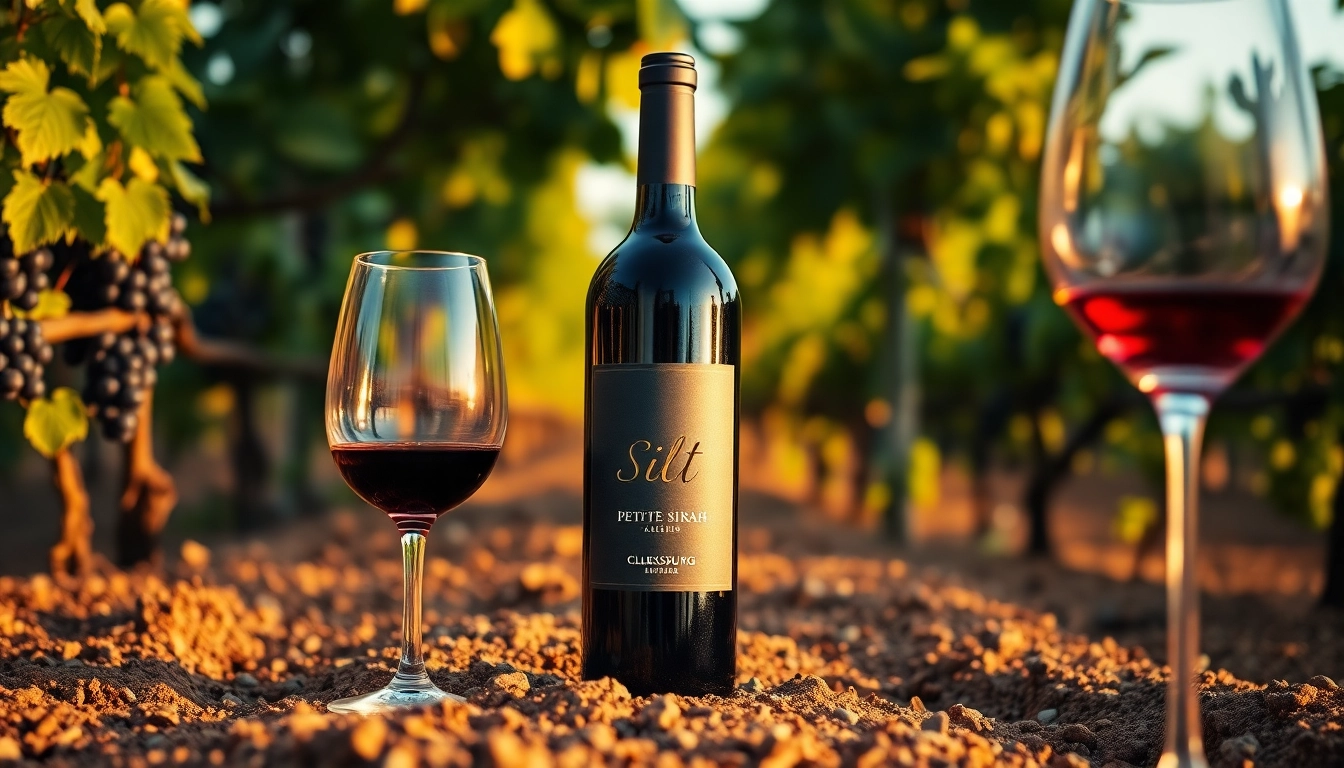
The popularity of silt petite sirah clarksburg is steadily rising within the wine market. As consumer preferences shift towards bold red wines that offer unique flavor profiles, petite sirah has carved out a niche among wine enthusiasts. This section explores consumer demographics, market growth, and upcoming trends within the industry.
4.1 Consumer Preferences and Demographics
Wine consumers are increasingly drawn to varietals that provide robust flavors and complexity. Research indicates that younger generations, particularly millennials and Generation Z, are keen on exploring lesser-known varietals, including petite sirah. This demographic values authentic experiences and local craftsmanship, contributing to the growing interest in wines from specific regions like Clarksburg.
4.2 Growth of Petite Sirah in the Wine Industry
The wine industry has shown remarkable growth in petite sirah sales over the last decade. As consumers seek out unique wines with character, this varietal's bold flavor profile and aging potential have resulted in increased market share. Furthermore, the growing interest in sustainable and organic winemaking practices has piqued consumer interest in petite sirah from reputable producers in Clarksburg.
4.3 Future Trends: What Lies Ahead?
Looking ahead, several trends may influence the future of silt petite sirah clarksburg. The demand for low-intervention winemaking techniques continues to rise, leading to a focus on preserving the grape's natural qualities. Additionally, a movement towards biodynamic and organic viticulture could further enhance the appeal of petite sirah wines. As wine tourism continues to grow, more consumers will likely travel to Clarksburg to explore the local wine scene, boosting the region's reputation.
5. FAQs about Silt Petite Sirah Clarksburg
5.1 What makes Silt Petite Sirah unique?
Silt Petite Sirah is unique because of its bold flavors, rich tannins, and complexity derived from Clarksburg's specific terroir, which includes optimal soil and climate conditions.
5.2 How should I store Silt Petite Sirah Clarksburg?
Store Silt Petite Sirah in a cool, dark place ideally at 55°F (13°C), lying on its side in a horizontal position to keep the cork moist.
5.3 Can Silt Petite Sirah be aged further?
Yes, Silt Petite Sirah can improve with aging. Most vintages can be aged for 5-10 years, developing more complex flavors and aromas over time.
5.4 What are the best ways to enjoy Silt Petite Sirah?
Enjoy Silt Petite Sirah by decanting it before serving, which enhances its flavors. Pair it with rich, hearty dishes or mature cheeses for an elevated experience.
5.5 Is Silt Petite Sirah suitable for events?
Absolutely! Silt Petite Sirah's bold profile makes it a great choice for events, as it pairs well with various foods and appeals to diverse wine lovers.