
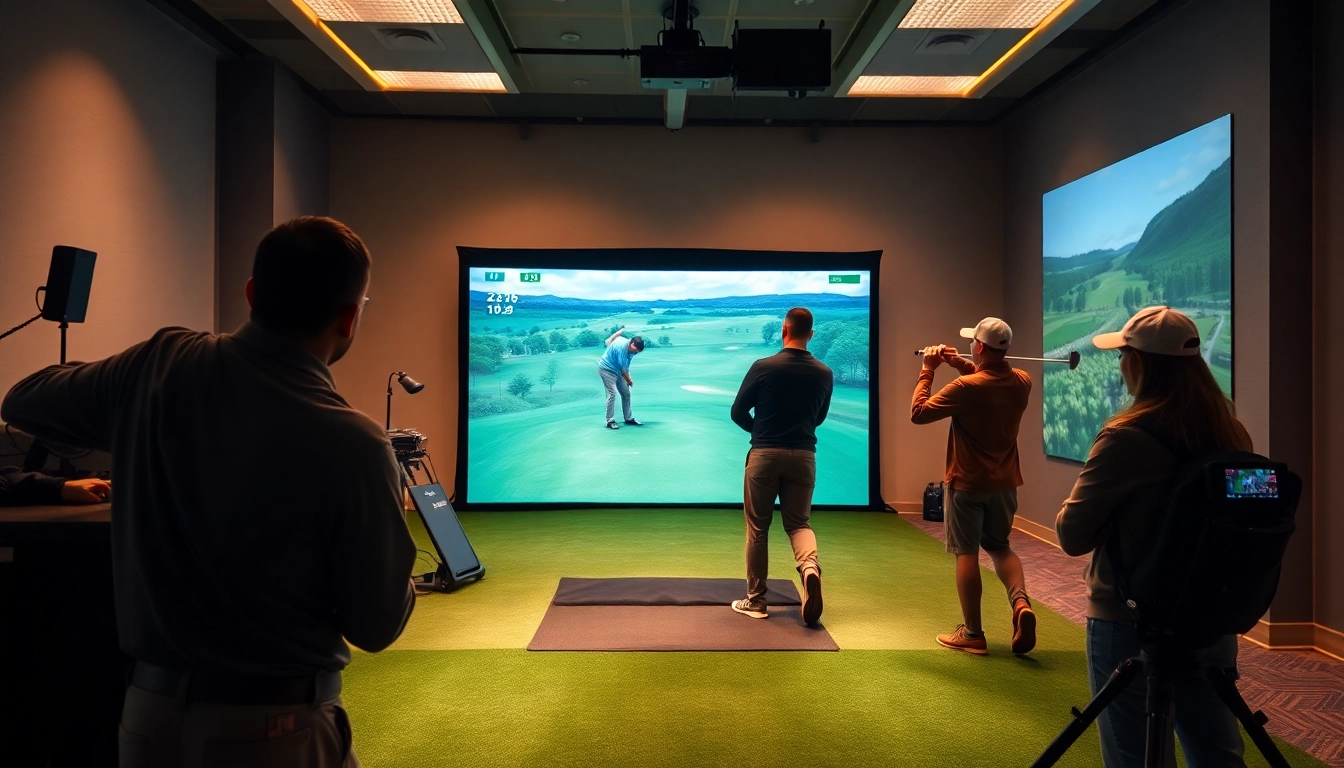
Understanding the Benefits of a Golf Simulator
In recent years, golf simulators have risen in popularity among enthusiasts seeking to improve their game. With the combined benefits of convenience, cost-effectiveness, and data-driven performance enhancement, a simulator can transform how players practice and learn golf. This article delves into the numerous advantages that these advanced systems offer, from the perspective of beginners to seasoned golfers.
Why Choose a Simulator for Practice?
Golf simulators provide an innovative solution for golfers who may not have easy access to a course or who want to practice in a controlled environment. They allow players to hit real golf balls indoors, accurately capturing their swings through sophisticated tracking technology. This means users can practice irrespective of weather conditions, eliminating any disruptions to their training schedule.
Moreover, simulators offer the advantage of instant feedback. Players receive immediate data on metrics such as swing speed, ball speed, and launch angle, helping them identify areas for improvement faster than traditional methods. Through this data analysis, golfers can refine their swings, putting techniques, and overall game strategy.
How Simulators Improve Skills
Beyond just practice, simulators are designed to help golfers master specific skills. For instance, many systems provide different game modes, allowing players to focus on putting, driving, or specific courses and holes. This versatility enables golfers to concentrate their training sessions on areas where they need the most work, leading to more efficient learning outcomes.
Additionally, many simulators support multiplayer options, creating an engaging atmosphere that mimics real-world competition. Playing against friends or taking part in tournaments enhances motivation and accountability, encouraging players to push their limits.
Cost-Effective Training Solutions
Investing in a golf simulator can save players money in the long run. Traditional practice sessions at driving ranges or on courses often require green fees or membership costs, which can accumulate significantly over time. A simulator, while perhaps a larger upfront investment, offers a way to practice as often as you desire without recurring fees.
Moreover, many simulators come equipped with various courses and practice scenarios, allowing users to explore multiple environments and conditions. This means players can receive a broad training experience without leaving home, making it a practical choice for those eager to lower their scores.
Popular Types of Golf Simulators
Golf simulators vary widely in terms of technology, price, and portability. Understanding the different types available can help golfers make informed decisions about their training needs.
High-End Simulator Options
High-end golf simulators are often favored by serious golfers and professionals. These simulators use advanced technology like infrared sensors and high-speed cameras to capture accurate data. They typically offer stunning graphics and immersive experiences, simulating the feeling of playing on famous courses around the world.
Features may include realistic ball flight physics, full swing analysis, and extensive customization options for game play. The investment is significant, but for many golfers, the ability to train at home with such realism is worth it.
Portable Golf Simulators
On the other end of the spectrum are portable golf simulators. These systems are compact, easy to set up, and ideal for players with limited space or those who travel frequently. They typically utilize electronic sensors or infrared technology to track shots and can be used with impact nets to ensure safety indoors.
While they may not offer the same level of detail or graphics as high-end models, portable simulators can still provide excellent training opportunities. They're perfect for serious golfers who need a convenient option for practicing when away from dedicated facilities.
Affordable Home Setup Ideas
For those exploring budget-friendly options, there are DIY setups that can be created using less expensive technology. Many golfers successfully combine a basic launch monitor with a screen and golf mat, allowing them to create a simplistic yet functional training environment.
This approach can be particularly useful for beginners or casual golfers who want to test the waters before making larger investments. Additionally, online platforms often provide affordable software options for customizing experiences and improving skills.
Key Features to Look for in a Simulator
When selecting a golf simulator, numerous features determine its effectiveness and value. Understanding these key aspects is crucial for making an informed purchase.
Realistic Graphics and Gameplay
The realism of graphics plays a significant role in enhancing the user experience. High-resolution visuals and detailed representations of courses help mimic the outdoor environment, making practice sessions more engaging. Simulators that offer a variety of real-world courses can motivate golfers to hone their skills as if they were playing on the greens.
Data Tracking and Performance Metrics
Data analysis is at the heart of any effective golf training session. Look for a simulator that tracks essential metrics like swing speed, ball path, and launch angle. Having access to detailed performance data not only aids in immediate improvements but can track progress over time.
Some advanced systems even use artificial intelligence to provide personalized training recommendations based on collected data.
Ease of Use and Setup
A good golf simulator should be user-friendly, with a straightforward setup process. Complex systems can discourage consistent practice, so look for options that are easy to install and intuitive to navigate. Many manufacturers offer detailed instructions or online support to assist new users in getting started.
Additionally, compatibility with various devices, such as tablets or smartphones, can enhance user experience, allowing players to access their data and modify settings easily.
Setting Up Your Home Golf Simulator
Once you've chosen a simulator, the next step is setting it up in your home. This section offers insights into ensuring your setup is efficient and effective for training.
Room Requirements for a Simulator
Before installing your simulator, assess the space available in your home. A minimum ceiling height of 8 to 10 feet is recommended, along with ample space behind and in front of the hitting area. Check for clearing to avoid damage to walls, furniture, or other items when practicing.
Using a dedicated space or converting a garage or basement can provide the ideal environment for uninterrupted practice sessions.
Essential Equipment and Software
To optimize your simulator experience, invest in high-quality equipment, including a golf mat and impact screen. A good mat will absorb impact and provide realistic feedback for shots. Additionally, ensure that your system has the latest software updates for courses and features to keep training sessions fresh and innovative.
Tips for Optimal Performance
For the best experience while using your golf simulator, maintain consistent practice routines. This includes regular calibration of your equipment and familiarization with the software interface. Furthermore, consider using different game modes to keep practice sessions exciting and varied.
Incorporating video analysis can also offer additional insight into swing mechanics, enhancing the learning process further.
Frequently Asked Questions About Golf Simulators
What is a golf simulator?
A golf simulator is a system that utilizes sensors and software to recreate the experience of playing golf indoors, allowing players to practice their swings and play virtual rounds on various courses.
How much space do I need for a simulator?
Typically, you need at least an 8 to 10-foot ceiling height and sufficient room in front and behind the hitting area to allow for full swings without obstructions.
Can I play real golf courses on a simulator?
Yes, many simulators offer a selection of real-world golf courses allowing players to experience various landscapes and challenge themselves on well-known holes.
Are simulators suitable for beginners?
Absolutely! Golf simulators can be beneficial for beginners, providing valuable feedback on their swings and allowing them to learn in a pressure-free environment.
How accurate are golf simulators?
Modern golf simulators are highly accurate, utilizing advanced technology to simulate real-world ball flight and course dynamics, making them effective tools for skill improvement.
Contact Information
Call Us: +1 615-624-7821Email: [email protected]Address: 1276 Northwest Broad Street, Murfreesboro, TN, USA