Why Screen-Free Toys Matter
In an age where screens dominate children's entertainment, the importance of screen-free toys cannot be overstated. Such toys encourage hands-on interaction and imaginative play, which are critical for healthy development. To uncover how to harness the benefits of these products, many parents seek reliable resources to guide them; if you’re one of them, visit the website for a comprehensive view on this topic.
The Benefits of Unplugged Play
Unplugged play is crucial for cognitive, social, and emotional development in children. Engaging with screen-free toys stimulates critical thinking, problem-solving, and creativity. Unlike digital play, these toys cultivate physical movement through hands-on manipulation, which benefits fine motor skills.
Research demonstrates that children who engage in physical play are more inclined to develop higher levels of:
- Social skills
- Language abilities
- Problem-solving strategies
Moreover, unplugged play fosters a sense of independence, allowing kids to make choices, set their own goals, and learn through trial and error, all essential for their growth.
Addressing Attention Spans
With the high exposure to quick-moving digital content, children's attention spans are increasingly challenged. Screen-free toys can significantly improve focus and concentration. Activities requiring more attention promote patience as children immerse themselves in the play experience.
When children engage with toys that involve sorting, building, or crafting, they practice sustained attention, learning to follow rules and steps to achieve desired results. Over time, this repetition builds their ability to concentrate better, an essential skill in academic and social settings.
Fostering Creativity and Imagination
Screen-free toys serve as a blank canvas for a child's imagination. With no preset narratives or outcomes, children can create their own stories and scenarios. This open-ended play enhances their creative thinking abilities and allows them to experiment.
Examples include:
- Building blocks that can transform into anything, fostering spatial awareness and imaginative play.
- Art supplies allow free expression, enabling children to convey ideas and emotions visually.
- DIY science kits encourage inquiry and experimentation, stimulating curiosity in scientific concepts.
Such toys can take creativity beyond the confines of screens and into the realm of personal invention, making every play session a unique journey.
Top Picks for Fine Motor Skill Development
Fine motor skills are essential for tasks such as writing, buttoning, and even using tools. Here are some top toys that encourage their development:
Building Blocks: Types and Benefits
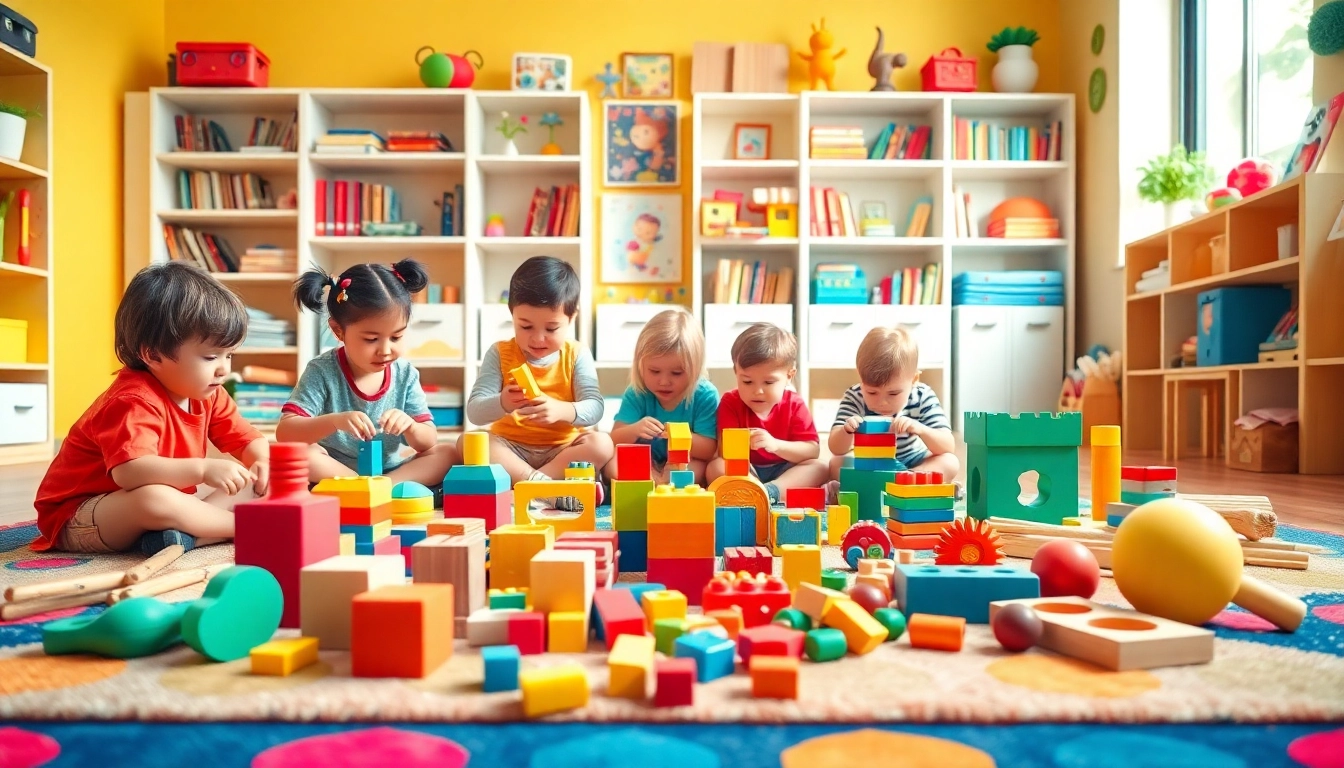
Building blocks remain a timeless classic in fostering fine motor skills. Whether traditional wooden blocks, foam shapes, or interlocking bricks, they encourage children to engage in construction and creativity.
Benefits of building blocks include:
- Enhancing hand-eye coordination as children stack and align blocks.
- Promoting spatial awareness and problem-solving by figuring out how to balance and support their constructions.
- Encouraging collaborative play and communication skills when playing with peers or siblings.
Introducing an assortment of block types can lead to more creativity as children explore various designs and structures.
Art Supplies: Encouraging Self-Expression
A comprehensive selection of art materials—such as crayons, colored pencils, paints, and clay—can provide an avenue for self-expression. Manipulating these tools enhances fine motor skills while allowing children to create something uniquely theirs.
Art fosters individuality as children can express their thoughts, feelings, and perspectives in ways that words may not capture, benefiting emotional intelligence and confidence.
Hands-On Science Kits
Science kits specifically designed for children not only teach fundamental scientific principles but also engage them in tactile learning experiences. These kits may include experiments, chemistry sets, or buildable projects involving electronics.
Benefits comprise:
- Hands-on experimentation that enhances understanding of scientific concepts.
- Improvement of critical thinking and analytical skills through hypothesis testing.
- Encouragement of curiosity and discovery, empowering children to explore the world around them.
Fostering a love of science at an early age can lead to lifelong interests in technology and innovation.
Interactive Games to Enjoy Together
Interactive games provide opportunities for family play, further bridging connections and making memories. They serve as fun tools to promote teamwork, taking turns, and strategy. Here, we outline a few game types to consider:
Board Games: Choosing the Right One
Board games come in countless varieties, catering to all ages and interests. When selecting the right ones for your family, consider aspects like:
- Age-appropriateness: Ensure the game suits the children's developmental stage.
- Engagement level: Look for games that require both skill and luck, promoting excitement.
- Learning opportunities: Choose games that teach fundamental concepts, from counting and reading to strategy and cooperation.
Family game nights can become cherished traditions, offering enjoyment and learning in a relaxed atmosphere.
Puzzles: Tricks for Engaging Play
Puzzles are fantastic for cognitive development, promoting critical thinking and problem-solving. Engaging with puzzles helps children develop persistence and patience as they work towards a solution.
To make puzzle-building more engaging:
- Start with smaller puzzles and gradually increase difficulty.
- Work alongside the child, providing guidance while fostering independent thinking.
- Incorporate themes that interest the child—animals, landscapes, or favorite characters— to enhance motivation.
Incorporating group puzzle-building sessions can also solidify social learning while challenging them to communicate and strategize together.
Outdoor Activities and Toys
Outdoor play is essential for physical health and well-being. Toys that encourage physical activity, like balls, jump ropes, and bikes, promote gross motor skills while allowing children to explore their surroundings.
Outdoor activities foster a love for nature and can involve:
- Scavenger hunts that encourage exploration and observation.
- Gardening kits that teach about planting, nurturing, and responsibility.
- Sports that promote teamwork and collaboration while developing athletic abilities.
The physical benefits of outdoor play drastically influence fitness levels and can help combat childhood obesity.
Creating Your Play Space
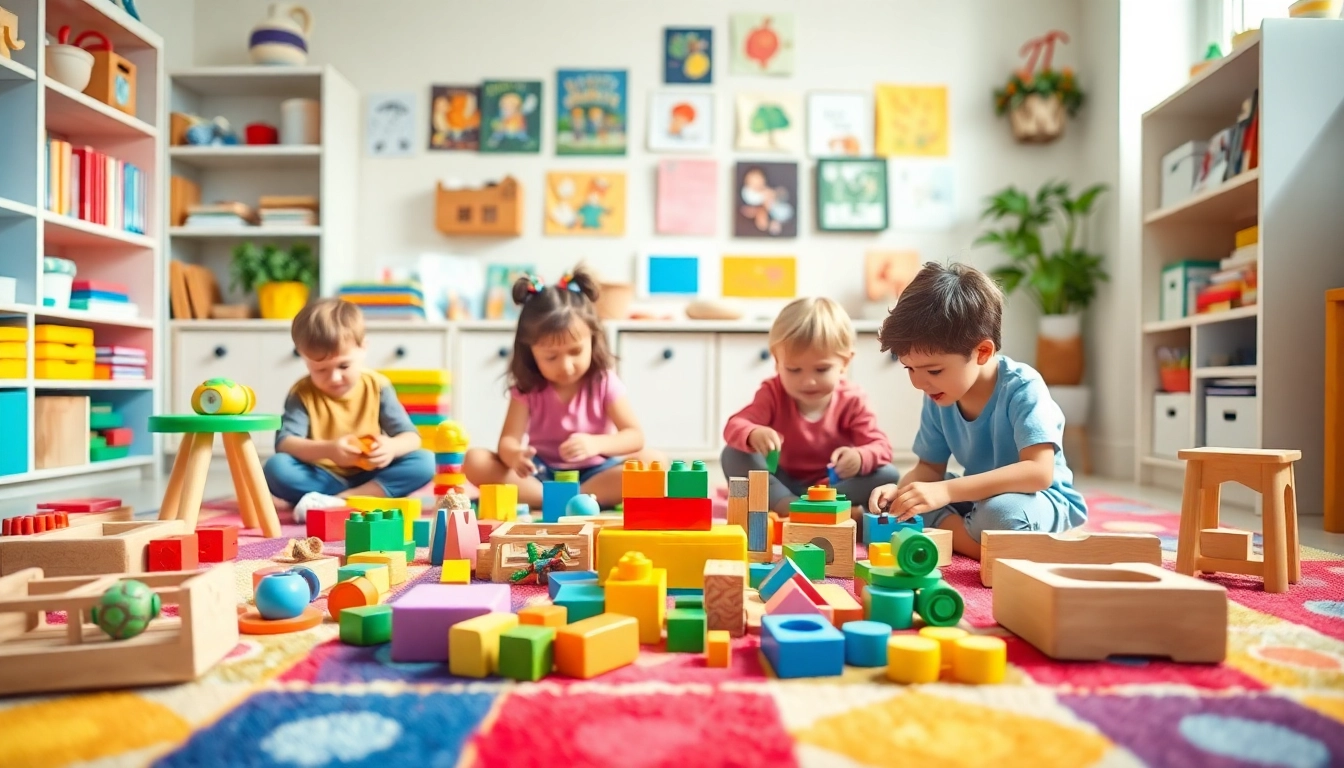
An organized and welcoming play space can enhance playtime, fostering creativity and learning. Here are some essential components to consider when designing a play area:
Tips for an Inspiring Environment
Creating an inviting play space is key to encouraging children to engage with their toys. Here are some tips:
- Establish designated areas for different types of play, allowing flexibility while making clean-up more manageable.
- Include natural light and comfortable seating to create a warm atmosphere.
- Rotate toys regularly to maintain engagement and stimulate new interests.
A well-structured, aesthetically pleasing environment invites children to explore, creating a sense of ownership.
Balancing Toys for Various Ages
In a play space shared by multiple children of varying ages, ensure there is a balance of toys catering to their developmental stages. This balance encourages peer interaction and play:
- Choose toys that have multiple uses, appealing to a range of age groups.
- Incorporate cooperative games that require participation from players of different abilities.
- Provide challenges appropriate for different skill levels to prevent frustration.
A multi-age play environment cultivates inclusiveness and social skills as children learn to adapt their play styles to different age groups.
Safety Considerations in Toy Selection
Safety is paramount when selecting toys for any play space. Ensure that:
- All toys meet regulatory safety standards to protect against hazards.
- Age ratings are adhered to, minimizing risks associated with small parts or choking hazards.
- Regularly check toys for wear or damage, promptly removing anything unsafe.
By prioritizing safety, parents and caregivers create a secure atmosphere that enhances play quality.
Maintaining Engagement with Screen-Free Activities
To sustain children's interest in screen-free activities over time, consider implementing routines:
Implementing Play Routines
Establishing a daily or weekly play routine helps children anticipate playtime as a special part of their schedule. This can include dedicated family game nights or crafting sessions. Predictability in routines fosters a sense of security while increasing engagement as children learn to look forward to these moments.
Encouraging Social Interaction
Invite friends or siblings to join in activities, reinforcing cooperation and teamwork. Social play fosters relationships and helps children learn valuable social skills such as sharing, negotiation, and conflict resolution. Playdates and group activities centered around screen-free toys create an excellent opportunity for social development.
Tracking Developmental Progress through Play
By observing children during play, caregivers can gauge developmental milestones and recognize areas where support may be needed. Keeping a record of achievements, whether it’s learning new skills or engaging in cooperative play, can provide insight and guide future play selections. Regular reflection encourages a holistic perspective of children’s growth and engagement.
FAQs
What are the benefits of screen-free play?
Screen-free play promotes cognitive, social, and emotional development by encouraging physical interaction, creativity, and improved attention spans.
How can I choose the right toys for my child?
Consider your child's age, interests, and developmental stage when selecting toys. Look for open-ended options that promote creativity and adaptability.
Are outdoor toys essential for development?
Yes! Outdoor toys promote physical activity, enhance gross motor skills, and encourage exploration and a love for nature while reducing screen time.
How can I create an engaging play space?
Organize the space with designated areas for different play types, include natural light, and regularly rotate toys to maintain interest and engagement.
What safety measures should I take when selecting toys?
Ensure toys meet safety regulations, adhere to age ratings, and regularly inspect for wear and tear to avoid hazards such as choking.