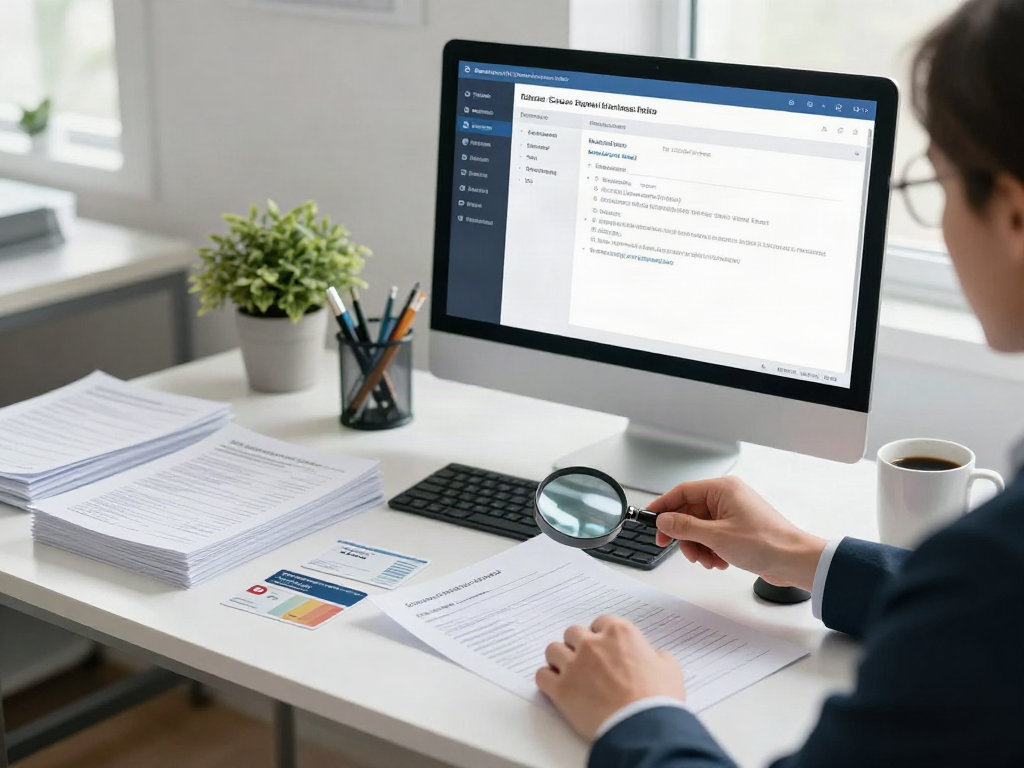
Understanding the Importance of Small Business IT Support London
In the fast-paced world of technology, small businesses face unique challenges that can impact their operational efficiency and growth. A robust IT support system is critical for navigating these obstacles successfully. Small businesses often operate with tight budgets and may not have the luxury of in-house IT departments. This is where professional small business it support london services come into play, providing tailored solutions to meet their needs.
Why IT Support is Critical for Small Businesses
IT support is essential for small businesses for several reasons. First, it ensures that all technological systems and software are functioning optimally. This reduces downtime and helps avoid the costly consequences of technology failures. Additionally, proper IT support provides guidance on the latest technologies, helping businesses stay competitive in their respective markets. Without adequate support, small enterprises risk falling behind larger competitors that have more comprehensive technological resources.
The Role of IT Support in Business Growth
Effective IT support plays a pivotal role in enabling business growth. It provides scalable solutions that can adjust as the business expands, ensuring that IT infrastructure can handle increased demands. Moreover, IT support includes strategic planning and implementation of new technologies that can streamline operations and improve productivity, thus enabling small businesses to focus on their core functions and innovation rather than getting bogged down by technical issues.
Common IT Challenges Faced by Small Businesses
Small businesses encounter various IT challenges, including lack of expertise, budget constraints, and the need for cybersecurity. Limited knowledge of IT systems can lead to inefficiencies and vulnerabilities. Budget limitations often prevent small firms from adopting state-of-the-art technologies or hiring in-house IT specialists. Furthermore, small businesses are increasingly targeted by cybercriminals, as they typically invest less in cybersecurity measures compared to larger corporations. Understanding these challenges is the first step in seeking effective IT support solutions.
Key Services Offered in Small Business IT Support London
Managed IT Services Tailored for Small Enterprises
One of the cornerstone services offered by IT support providers is managed IT services. This model allows small businesses to outsource their IT tasks to experts who manage and maintain technology infrastructures at a lower cost than hiring full-time staff. Managed IT services encompass a variety of offerings including network management, cloud services, and help desk support. By offloading these responsibilities, small businesses can focus on their strategic initiatives and operational growth.
Proactive Cybersecurity Solutions
In today's digital landscape, cybersecurity is no longer a luxury but a necessity. Proactive cybersecurity solutions protect small businesses from evolving threats. This can include vulnerability assessments, real-time monitoring, and the implementation of advanced security protocols. By investing in comprehensive cybersecurity measures, small businesses can safeguard their sensitive data, maintain client trust, and comply with legal regulations.
Data Backup and Recovery Strategies
Data is the lifeblood of any organization. Small businesses must have robust data backup and recovery strategies to ensure business continuity in the event of a data breach or system failure. IT support providers can help in establishing automated backup systems that securely store data off-site and develop recovery plans that minimize downtime. These strategies not only mitigate potential losses but also enhance the integrity of a company’s operations.
Choosing the Right IT Support Provider in London
Assessing Qualifications and Experience
When selecting an IT support provider, businesses must assess the qualifications and experience of potential partners. Providers should have relevant certifications and a proven track record of successful implementations in similar-sized organizations. It's beneficial to seek testimonials from other small business clients to gauge the effectiveness and reliability of the service provider.
Understanding Service Level Agreements (SLAs)
Service Level Agreements are critical documents that outline the expectations between the service provider and the client. SLAs should clearly specify the quality and types of services provided, response times to service requests, and metrics for evaluating performance. Understanding these agreements helps businesses set proper expectations and hold providers accountable for their service delivery.
Evaluating Customer Service and Response Times
In an increasingly technology-reliant landscape, the speed and quality of customer service are paramount. IT support providers should offer responsive customer service, with multiple channels for help such as phone, email, and chat support. Investigating the provider’s average response times and customer support reviews is essential for determining if they can meet the operational needs of your business effectively.
Best Practices for Small Business IT Management
Regular System Audits and Maintenance
Regular system audits and maintenance are vital to ensuring that IT infrastructures remain secure and functional. Small businesses should schedule periodic evaluations of their systems to identify vulnerabilities and inefficiencies. Consistent maintenance schedules help prevent minor issues from escalating into significant problems, thereby extending the lifecycle of hardware and software assets.
Training Staff on IT Policies and Security
A well-trained staff is one of the best defenses against IT security breaches. Small businesses should invest time in training employees about IT policies, cybersecurity best practices, and the potential risks associated with their day-to-day activities. Engaging workshops and resources can be utilized to keep staff informed and alert to emerging threats, thereby developing a culture of security within the organization.
Leveraging Cloud Solutions for Efficiency
Cloud technology offers numerous advantages for small businesses, including scalability, cost-effectiveness, and collaboration. By adopting cloud solutions, businesses can streamline operations, access data securely from anywhere, and reduce costs associated with traditional infrastructure. IT support providers can assist in navigating the various cloud options and help implement solutions tailored to specific business needs.
Future Trends in Small Business IT Support
Adapting to Remote and Hybrid Work Environments
The trend towards remote and hybrid work arrangements is reshaping how small businesses approach IT support. Adapting to these environments requires IT support providers to offer secure remote access solutions, collaboration tools, and ongoing technical support for diverse working conditions. Ensuring seamless connectivity and providing the right tools are crucial for maintaining team productivity and morale.
Integrating Automation and AI in IT Processes
Automation and artificial intelligence (AI) are becoming increasingly integral to IT processes. Small businesses can benefit from automating routine tasks such as backups, software updates, and system monitoring. Implementing AI solutions can enhance decision-making processes, improve customer experiences, and allow staff to focus on higher-value activities, thereby optimizing resource allocation.
Understanding Compliance and Regulatory Changes
As technology evolves, so do compliance and regulatory requirements. Small businesses must remain aware of changes in data protection laws and industry regulations that could affect their operations. IT support providers should assist businesses in navigating these changes, ensuring that they remain compliant to avoid potential penalties. By prioritizing compliance, businesses can build trust with their customers and protect their reputation.
FAQs
What is small business IT support?
Small business IT support includes services that help manage, maintain, and optimize a company's IT systems. This encompasses cybersecurity, data management, network support, and help desk services tailored for small enterprises.
Why do small businesses need IT support?
Small businesses need IT support to address technical challenges, enhance productivity, ensure cybersecurity, and access expert knowledge without the cost of maintaining an in-house IT team.
How can IT support help with cybersecurity?
IT support can help small businesses implement cybersecurity measures such as firewall protections, antivirus software, and staff training. They also conduct regular assessments to identify and mitigate vulnerabilities.
What are managed IT services?
Managed IT services involve outsourcing IT responsibilities to a service provider who manages technology solutions proactively, allowing businesses to focus on their core operations while ensuring IT efficiency.
How often should businesses perform IT audits?
Businesses should perform IT audits at least annually or bi-annually, depending on their growth, changes in technologies, or regulatory requirements. Regular audits help maintain secure and optimized IT infrastructures.
Contact Information
Call Us: 0333 015 2615Email: [email protected]Address: Fareham Innovation Centre, PO13 9FU