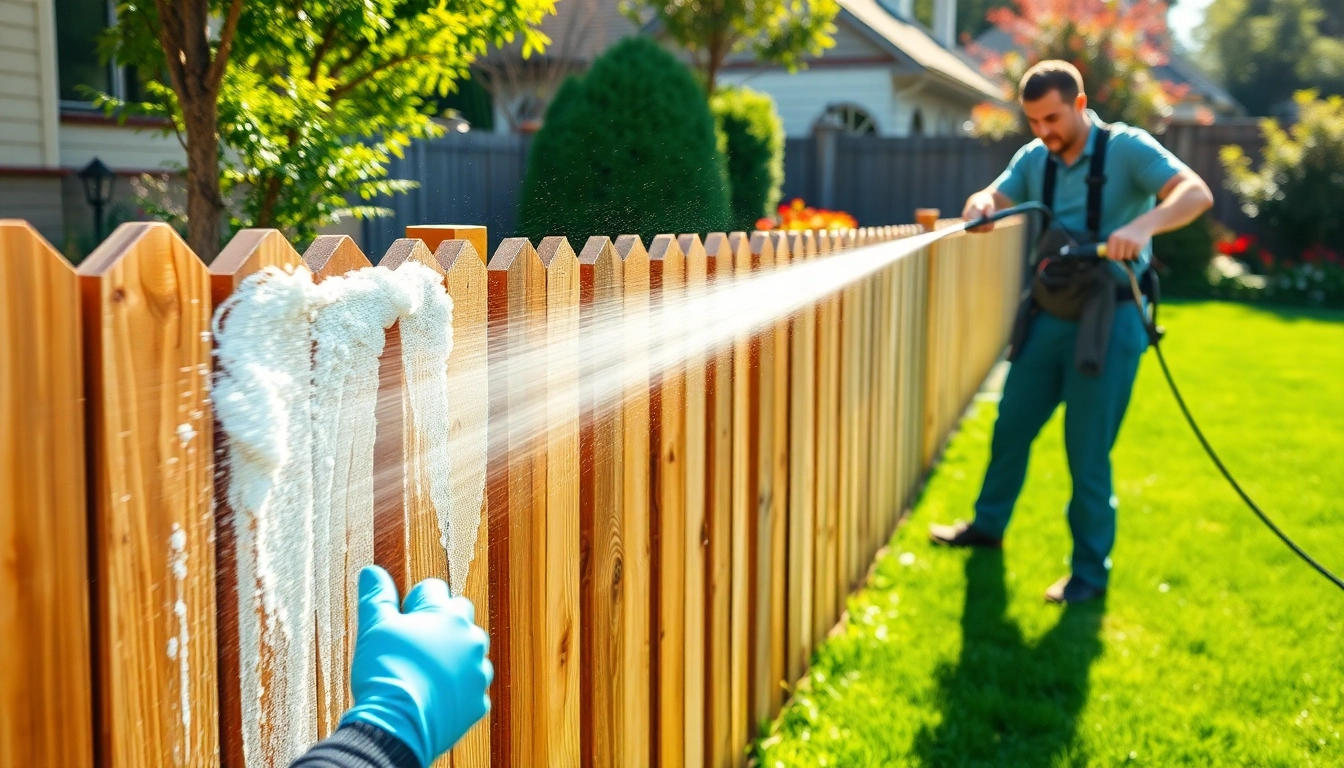
Understanding Fence Cleaning Techniques
Maintaining your property is essential, and one key aspect that often gets overlooked is the care of your fence. Whether it's made of wood, vinyl, or metal, fences require regular cleaning to preserve their appearance and longevity. Engaging in proper Fence Cleaning not only enhances the visual appeal of your home but also saves you from costly repairs down the road. This article dives into various techniques for cleaning fences, including useful tips, safety guidelines, and the benefits of regular maintenance.
Common Methods of Fence Cleaning
There are several methods to clean a fence, each suitable for different materials and levels of dirt. Understanding these methods ensures effective cleaning without damaging the fence.
Pressure Washing
Pressure washing is a popular method for cleaning fences, particularly for wood and vinyl surfaces. It uses high-pressure water jets to remove dirt, grime, and mold. While effective, it's crucial to use the appropriate pressure settings to avoid damaging the wood fibers or vinyl surface. The recommended pressure for wood fences is generally between 1200 to 1500 PSI.
Soft Washing
Soft washing is a gentler alternative that combines low-pressure water with specialized cleaning solutions. This method is particularly useful for delicate materials like wood fences. Chemicals like sodium hypochlorite or biodegradable detergents are applied and allowed to dwell before rinsing, effectively killing mold and mildew without the risk of physical damage.
Hand Cleaning
For fences with delicate finishes or intricate designs, hand cleaning is often the best approach. Using a scrub brush and mild soap, you can gently remove stain and grime. This method allows for greater control, ensuring that even hard-to-reach areas get the attention they need.
Choosing the Right Cleaning Solutions
Selecting the right cleaning solution is critical for effective fence cleaning. The chosen solution should be compatible with the material of your fence and the type of staining or grime you're dealing with.
Homemade Solutions
Many homeowners prefer using homemade solutions because they are cost-effective and eco-friendly. A mixture of vinegar, baking soda, and water can be used against light stains and dirt. For more stubborn mold or mildew, a solution of bleach and water (following safety precautions) may be effective.
Commercial Cleaners
Various commercial cleaners are available that target specific types of stains or materials. It's essential to read labels carefully to ensure compatibility and safety when using these products. Some cleaners contain chemicals that can harm plants and the environment, so always opt for eco-friendly options when possible.
Safety Guidelines during Fence Cleaning
Ensuring safety while cleaning your fence is paramount. Here are key safety considerations to keep in mind:
- Wear Protective Gear: Eye protection, gloves, and non-slip footwear should always be worn to prevent injuries.
- Read Instructions Carefully: If using commercial products, follow the manufacturer's guidelines for the safest use.
- Test Surface Compatibility: Always test any cleaning solution in a small, inconspicuous area before full application.
- Avoid Cleaning in Direct Sunlight: This can cause solutions to dry too quickly, leading to streaks and ineffective cleaning.
Benefits of Regular Fence Cleaning
Regular fence cleaning is not just about aesthetics; it provides numerous benefits that can save homeowners time and money in the long run.
Enhancing Aesthetic Appeal
A clean fence significantly enhances the overall look of your property. It creates a more welcoming environment and boosts curb appeal. Faded, stained, or dirty fences can detract from the beauty of your home, but regular maintenance ensures your fence remains a standout feature.
Extending Fence Lifespan
Fences withstand harsh weather conditions, and dirt can lead to deterioration over time. Mold and mildew can cause rot in wooden fences, leading to costly replacements. By investing time in regular cleaning, homeowners can significantly extend the lifespan of their fences, ensuring they remain functional and beautiful for many years to come.
Preventing Damage from Mold and Mildew
Mold and mildew thrive in damp, dirty environments. Regular cleaning reduces their growth, protecting your fence from damage and maintaining structural integrity. If left unchecked, mold can penetrate wood and lead to serious decay, whereas vinyl fences can become discolored. Thus, consistent cleaning plays a vital role in prevention.
DIY vs. Professional Fence Cleaning Services
When it comes to fence cleaning, homeowners often face the decision between DIY efforts and hiring professionals. Each approach has its merits and potential drawbacks.
When to Opt for DIY Cleaning
DIY cleaning can be preferable for small, manageable fences where the homeowner has the necessary tools and time. If the fence requires routine maintenance such as light cleaning, inspecting and performing minor repairs can be cost-effective and satisfying.
Benefits of Hiring a Professional
Professional cleaning services come with several benefits. They are equipped with top-of-the-line equipment and possess expertise in choosing the right cleaning methods and solutions for your specific fence type. This can lead to superior results compared to DIY efforts, which may inadvertently cause damage.
Cost Comparison of Services
The cost of professional fence cleaning can vary depending on several factors, including the type of fence, its size, and the services provided. On average, homeowners can expect to spend between $1 and $3 per linear foot for a professional crew. DIY costs involve only cleaning solutions and equipment, but proper investment is needed to achieve professional-level results.
Preparing Your Fence for Cleaning
A successful cleaning job begins with adequate preparation. Here’s a step-by-step process for ensuring your fence is ready for cleaning.
Assessing the Condition of Your Fence
Before starting the cleaning process, thoroughly inspect your fence. Look for signs of damage, such as rotting wood or rusting metal, which may require repair before cleaning. Make notes of any problematic areas that may need special attention during the cleaning process.
Gathering Necessary Tools and Materials
Having the right tools ensures a more efficient cleaning process. Common tools may include:
- Pressure washer or hose
- Cleaning brushes (with soft and stiff bristles)
- Protective gloves and eyewear
- Commercial or homemade cleaning solutions
- Tarps or plastic sheeting to protect surrounding plants
Scheduling Your Cleaning Day
Choose a day with mild weather and avoid direct sunlight to prevent cleaning solutions from drying too quickly. Planning your cleaning day when you have adequate time will allow for thorough cleaning without rushing the process.
Frequently Asked Questions about Fence Cleaning
How much does it cost to get your fence cleaned?
The cost for professional fence cleaning typically ranges from $1 to $3 per linear foot, depending on materials and local market rates.
Can I clean my fence without using chemicals?
Yes, many homemade solutions, such as vinegar and baking soda, can effectively clean fences without harsh chemicals.
How often should I clean my fence?
It’s recommended to clean your fence at least once a year, but more often if you notice substantial dirt or mold growth.
What is the best time of year to clean my fence?
Spring and fall are ideal times for fence cleaning, as the weather is typically mild, reducing the risk of damage to the cleaning solutions.
How do I protect my plants while cleaning the fence?
Using tarps or plastic sheeting can shield surrounding plants from chemicals and debris while cleaning.