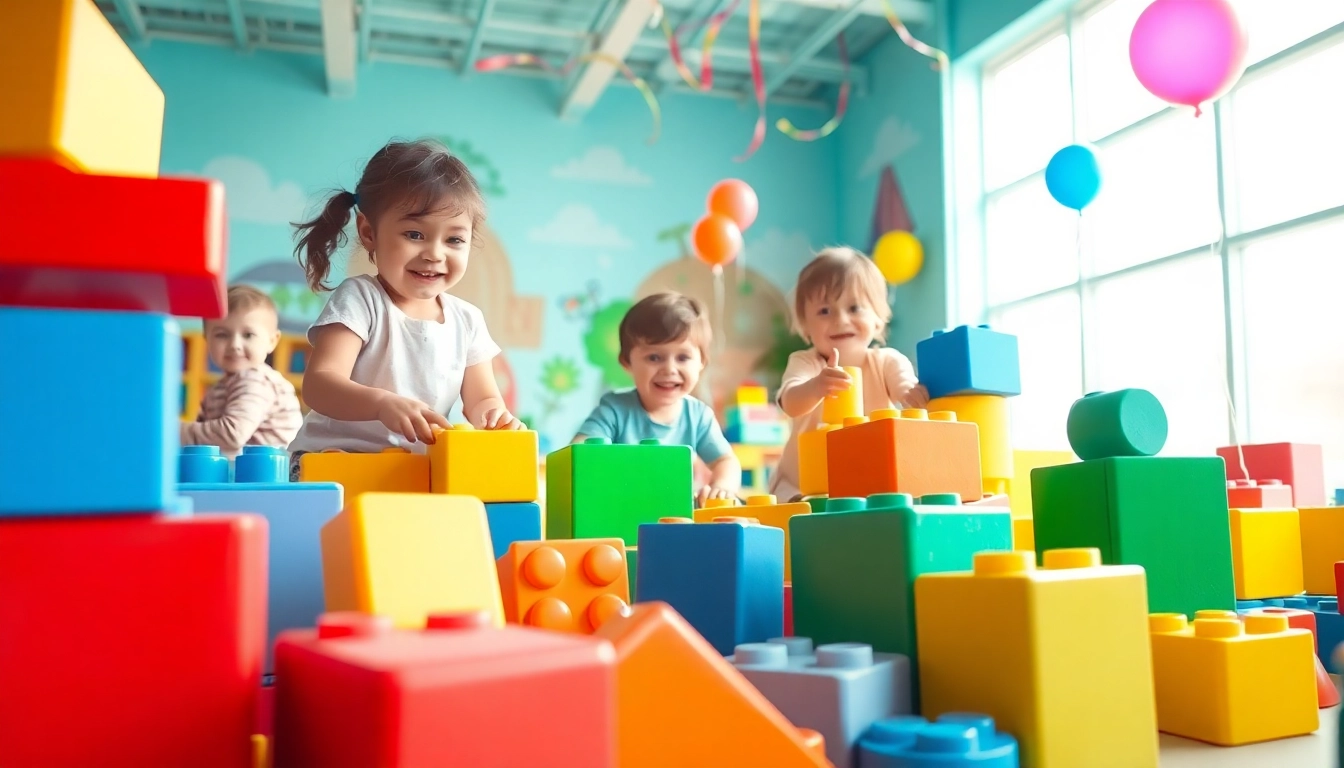
Introduction to Giant Building Blocks
When it comes to fostering creativity, imagination, and fun in children's playtime, giant building blocks stand out as an exceptional choice. These oversized, lightweight foam blocks allow kids to engage in tactile play, offering them the freedom to construct, design, and demolish to their heart's content. Not only do they provide physical activity, but they also encourage cognitive development and social interaction. For parents looking to enhance their child's play experience, find out more about the varied sets available on the market. Let’s dive into the world of giant building blocks and explore their multiple facets.
What are Giant Building Blocks?
Giant building blocks are large, foam pieces designed specifically for children to build structures of all sizes and shapes. Unlike traditional building blocks, which can be small and sometimes difficult for young hands to manipulate, these oversized blocks are safe, durable, and easy to handle. Measuring anywhere from 5 to 15 inches, they are lightweight yet robust, making them ideal for both indoor and outdoor play. The foam material ensures they are soft and safe for play, reducing the risk of injury during creative construction tasks.
The Benefits of Foam Blocks for Kids
Foam blocks serve as an invaluable resource for early childhood development due to the myriad benefits they offer:
- Encourages Creativity: Children can express their creativity freely while building their own structures without constraints.
- Develops Fine Motor Skills: Manipulating large blocks enhances dexterity and hand-eye coordination as children grasp, lift, and stack.
- Promotes Engineering Concepts: Building with foam blocks introduces basic concepts of stability and balance, nudging kids towards an understanding of physics.
- Enhances Social Interaction: Giant blocks inspire collaborative play, allowing children to work together and communicate, fostering friendships.
- Facilitates Active Play: These blocks encourage physical activity, keeping kids engaged and active as they move and manipulate various shapes and sizes.
Popular Types of Giant Building Blocks
There are various types of giant building blocks designed to fit different needs and preferences:
- Traditional Foam Blocks: Simple, square or rectangular blocks perfect for a variety of building tasks.
- Shapes and Sets: Sets that include assorted geometric shapes, such as arches, triangles, and cylinders, for broader creative possibilities.
- Interlocking Blocks: Blocks that can connect in various directions, allowing for more complex structures.
- Soft Play Blocks: These blocks often come with additional features such as textures or colors for sensory exploration.
Safety and Materials in Play
When selecting foam blocks for children, safety is paramount. Understanding the safety features and material choices ensures parents feel confident in their play environment.
Understanding Foam Block Safety Standards
Most reputable manufacturers adhere to strict safety standards in the production of foam building blocks. Safety certifications to look for include:
- ASTM F963: This standard ensures toys meet safety guidelines regarding materials and construction.
- EN71: A European standard focused on toy safety which covers various mechanical and physical properties.
- Non-toxic Materials: Certification that materials used in foam blocks are free of harmful chemicals such as phthalates and BPA.
Parents should always check for these certifications to ensure that they are buying safe products for their children.
Durable Materials for Lasting Fun
The durability of foam building blocks is crucial for preserving play quality over time. High-density foam is commonly used, providing a blend of softness for safety and resilience against wear and tear. Quality foam blocks can withstand everyday stress from active play, ensuring they last through multiple seasons and family playdates.
Maintaining Safe Play Environments
To create a safe space for playing with giant foam blocks, here are some tips:
- Choose areas free from sharp edges or breakable items.
- Supervise play sessions, especially with younger children.
- Regularly inspect blocks for signs of damage and clean them to maintain hygiene.
Creative Play Ideas to Try
Giant foam blocks are not just for random stacking; they can be transformed into learning tools and innovative play experiences. Here are several engaging ideas:
Building Challenges for All Ages
Organize building competitions where children are tasked with creating specific structures within a set time limit. This encourages teamwork, fosters creativity, and builds excitement as they strive to fulfill their challenge. Examples could include building the tallest tower or a bridge that can support the weight of a toy car.
Themed Play Sessions for Creativity
Enhance the play experience with thematic days, such as "Castle Day," where kids construct their dream castles, or "Space Station Day," where they build futuristic space structures. Such themes can inspire storytelling and imaginative play.
Using Blocks for Learning Activities
Giant building blocks can be used for educational purposes, such as teaching basic math concepts through counting or introducing architectural terms. Engage children in measuring and estimating block heights or even drawing blueprints for their envisioned structures.
Enhancing Social Skills Through Play
Giant foam blocks also play an essential role in developing social skills among children, making them ideal for group play.
Teamwork and Communication Exercises
Collaborative projects foster effective communication and team spirit. Encourage children to divide tasks, share responsibilities, and communicate their ideas effectively while working together to create larger structures.
Sharing and Collaborating with Friends
Building with foam blocks promotes a sense of community as children learn the importance of sharing resources and space. This interaction helps to nurture friendships through cooperative play and mutual respect.
Problem Solving through Group Activities
When engaged in group activities, children must navigate challenges such as balancing blocks, strategizing construction, or resolving design disputes. These scenarios sharpen their problem-solving skills and critical thinking abilities.
Conclusion and Next Steps
As we've explored, giant building blocks offer endless opportunities for play, learning, and social interaction. The benefits are vast, making them a worthwhile investment for parents and educators alike.
Finding the Right Foam Block Set
When searching for the best foam block set, consider factors like size, shape variety, and softness. Look for sets that provide a good mix, encouraging creativity and allowing for various building styles.
Tips for Organizing Playdates around Building Blocks
To maximize the experience during playdates, invite friends over and set up various building challenges, including themed contests. This will keep the children engaged and foster a fun, interactive environment.
Why You Should Invest in Giant Building Blocks
The investment in giant building blocks can lead to long-term benefits, offering a perfect blend of fun and educational opportunities. With a focus on creativity, physical activity, and social interaction, they are an indispensable addition to any play environment.
FAQs
What age group is recommended for giant building blocks?
Giant building blocks are suitable for children aged 1-8 years, promoting safe play and development through various constructive activities.
Are foam blocks safe for indoor use?
Yes, foam blocks are designed for safe indoor play. Their soft materials minimize the risk of injury, making them ideal for children.
How do I clean foam building blocks?
Wipe the foam blocks with a damp cloth and mild soap. Ensure they dry thoroughly before storing to maintain hygiene.
Can giant building blocks improve my child's math skills?
Yes! Building with blocks can enhance math skills through counting, measuring, and comparing block sizes, integrating fun with learning.
How long do foam building blocks last?
High-quality foam blocks can last several years with proper care and maintenance, ensuring a long-lasting play option for your child.