Understanding the Basics of Backyard Landscaping
What is Backyard Landscaping?
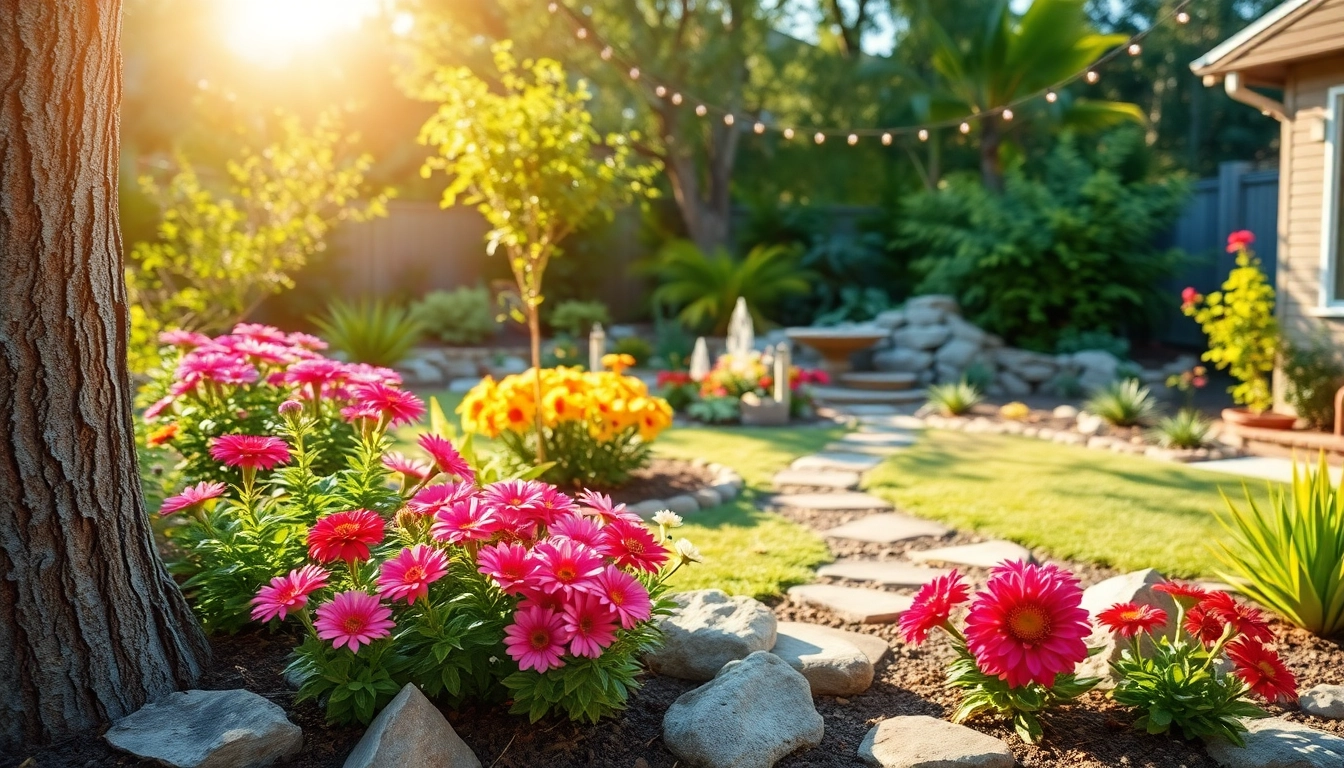
Backyard landscaping refers to the process of designing, arranging, and enhancing the features of your outdoor space to create an aesthetically pleasing and functional environment. Unlike front yard landscaping which often focuses on curb appeal, backyard landscaping is more personalized, catering to the needs and desires of the homeowners. The goal is to create a serene retreat under the open sky, blending elements such as plants, hardscaping, water features, and outdoor living areas into a cohesive design. Effective backyard landscaping not only enhances the beauty of your property but also increases its value by maximizing usability while minimizing maintenance requirements.
Importance of Backyard Landscaping
The backyard serves as an extension of your living space, providing opportunities for relaxation, recreation, and entertainment. Proper landscaping increases both visual appeal and functionality, turning a simple yard into a welcoming oasis. It supports various outdoor activities such as barbecues, gardening, or simply enjoying nature. Additionally, well-planned landscaping can improve energy efficiency by strategically placed plants acting as natural windbreaks or shade, lowering heating and cooling costs. Overall, the importance of backyard landscaping is vital for enhancing lifestyle, property value, and environmental benefits.
Key Elements of Backyard Landscaping Design
Backyard landscaping encompasses several key components:
- Plants and Flowers: These add color, texture, and fragrance to your space. Choosing the right plants based on the climate, soil type, and desired aesthetics is crucial.
- Hardscaping: The use of non-plant materials such as patios, decks, pathways, and fences enriches your space, providing structure and usability.
- Water Features: Adding elements like ponds, fountains, or streams can create a soothing environment, complementing the landscape.
- Lighting: Proper outdoor lighting can highlight features, ensure safety, and extend usability into the evening hours.
- Furniture and Accessories: These elements contribute to the functionality of your backyard, allowing for relaxation and social gatherings.
Planning Your Backyard Landscaping
Setting Goals for Your Space
Before diving into the practical aspects of landscaping, it’s crucial to set clear objectives for your backyard. Consider what functions you want your outdoor space to serve. Are you looking to create a peaceful retreat, a vibrant social area, or a productive garden? Clearly defined goals will guide your decisions regarding layout, features, and materials. Additionally, think about seasonal uses—maybe you'd like a space for summer barbecues or a cozy fire pit for winter evenings. The clearer your vision, the easier it is to execute a successful design.
Determining Your Budget
Budgeting is a fundamental aspect of backyard landscaping, as it can dictate the scope and scale of your project. Begin by outlining your financial limits and prioritizing different aspects of your design. Hardscaping typically requires a larger investment than planting, so balance both needs according to your budget. Aim for a mix of elements that fulfill both functionality and style, allowing for some flexibility in your spending. Remember to account for future maintenance costs as well, as these can add to the long-term financial commitment.
Choosing a Design Style
Your backyard should reflect your personal style while considering the architecture of your home and neighborhood. Popular styles include:
- Modern: Characterized by clean lines, minimalism, and the use of contemporary materials.
- Traditional: Features classic elements such as brick pathways, formal gardens, and rich plant life.
- Rustic: Emphasizes natural materials like wood and stone, often incorporating more organic shapes and forms.
- Tropical: Incorporates wide-leaf plants, vibrant colors, and water features to create an island-like retreat.
It’s advisable to curate a mood board with images reflecting your preferred style for better visualization. This can include elements from various styles that resonate with you, allowing creativity without being overly restricted.
Essential Features of Effective Backyard Landscaping
How to Incorporate Plants and Flowers
Plants and flowers are arguably the heart of backyard landscaping. Choose a mix of flowering plants, shrubs, and trees to offer a year-round display of color and texture. Consider planting perennials for lasting blooms while incorporating annuals for seasonal color changes. Tailor your plant selection to your climate zone, ensuring the successful establishment and longevity of your garden. Always consider the mature size of plants to avoid overcrowding and to maintain aesthetic balance.
Add height diversity in the garden by planting taller structures at the back or center (depending on layout) while placing shorter flowers and groundcovers in the foreground. This layering creates depth and visual interest, guiding the eye through your landscape.
The Role of Hardscaping in Your Garden
Hardscaping provides structure and functionality to your backyard. Materials like stone, brick, and concrete can form pathways, patios, and retaining walls, marking areas for specific activities. Whether you choose to have a paved patio for dining or a gravel walkway through the garden beds, hardscaping elements should enhance the natural beauty rather than overshadow it. Incorporate features like raised garden beds, decorative borders, or unique edging to define sections and create flow between areas.
Creating Functional Areas for Enjoyment
Divide your backyard into functional zones tailored to various activities. For example:
- Dining Area: A deck or patio with outdoor furniture encourages alfresco meals.
- Relaxation Zone: Use comfortable seating and shade structures to create a retreat for reading or enjoying quieter moments.
- Activity Space: If you have children, consider incorporating play areas or lawns for sports and games.
- Garden: Designate space for vegetable or flower gardens, enhancing beauty and possibly growing your own food.
Having defined spaces can help manage expectations and improve usability, ensuring that your backyard can cater to all members of the household.
Maintaining Your Backyard Landscaping
Seasonal Care and Maintenance Tips
Once your landscaping project is complete, proper maintenance is essential for its longevity. Develop a seasonal maintenance schedule that covers the following:
- Spring: Fertilize plants, prune dead branches, and prepare garden beds for planting.
- Summer: Water adequately, control weeds, and deadhead flowers for continued blooms.
- Fall: Mulch to retain moisture, plan for winter protection and remove dying plants.
- Winter: Inspect hardscaping elements and protect vulnerable plants from cold damage.
Stay vigilant and perform routine checks to identify any issues early on. Diseases in plants or damages in hardscaping can be easier to resolve when caught early.
Common Challenges and Solutions
Backyard landscaping may not be free of challenges. Here are some common obstacles and their solutions:
- Pests: Utilize organic pest control methods or introduce beneficial insects to combat infestations.
- Soil Issues: Test soil pH and nutrient levels, amending as necessary for optimal plant growth.
- Drainage Problems: Incorporate grading, French drains, or rain gardens to redirect water flow.
Being proactive and educated on potential issues can alleviate frustration and keep your backyard thriving.
Tools and Resources for Effective Upkeep
Investing in the right tools can simplify landscape maintenance. Consider having:
- Gardening Tools: Basic tools like spades, pruners, and rakes.
- Watering System: Automatic irrigation can ensure even watering without daily manual labor.
- Mulching Material: Helps maintain soil moisture and suppress weeds.
Research local gardening clubs or online communities for additional advice and support. They can serve as valuable resources for learning and troubleshooting challenges.
Trends and Innovations in Backyard Landscaping
Eco-friendly Landscaping Practices
In recent years, eco-friendly landscaping has gained traction as homeowners seek to minimize environmental impact. Practices such as xeriscaping (design focusing on drought-resistant plants), utilizing native plants, rainwater harvesting, and organic gardening are becoming increasingly popular. Incorporating sustainable materials for hardscape features, like recycled or reclaimed stones, enhances the overall eco-friendliness of your project.
Integrating Technology in Landscaping
Modern technology has revolutionized landscaping design and maintenance. Using landscape design software allows homeowners to visualize their projects before actual implementation. Additionally, smart irrigation systems can optimize water usage, adjusting based on weather conditions. Pest control can also benefit from technology, employing monitoring systems that alert homeowners to pest activity.
Personalizing Your Backyard Space
As homeowners become more focused on making their backyards unique, personalization has taken center stage. Consider building custom features that suit your tastes, like themed gardens, crafted planters, or bespoke seating areas. Don’t shy away from expressing personal creativity—hand-painted signs, unique sculptures, or customized furniture add distinctive character to your backyard, making it truly your own.
FAQs About Backyard Landscaping
What is the cheapest way to landscape a backyard?
Inexpensive landscaping options include using mulch for beds, creating flower beds using seeds instead of plants, and adding budget-savvy features like gravel paths instead of paved ones.
How much should I budget for backyard landscaping?
Budget varies widely based on size, design complexity, and materials, but typically, homeowners can expect to spend between $2,000 to $20,000.
How often should I water my landscaped yard?
This depends on your climate, plants used, and soil conditions, but generally, deep watering once a week is ideal, allowing soil to dry between sessions.
What are common landscaping mistakes to avoid?
Common errors include poor plant placement (not accounting for growth), neglecting to consider sunlight needs, and failing to prepare the soil properly before planting.
How can I make my backyard low maintenance?
Using native plants, implementing efficient irrigation systems, and utilizing hardscaping elements can significantly reduce upkeep and maintenance efforts.