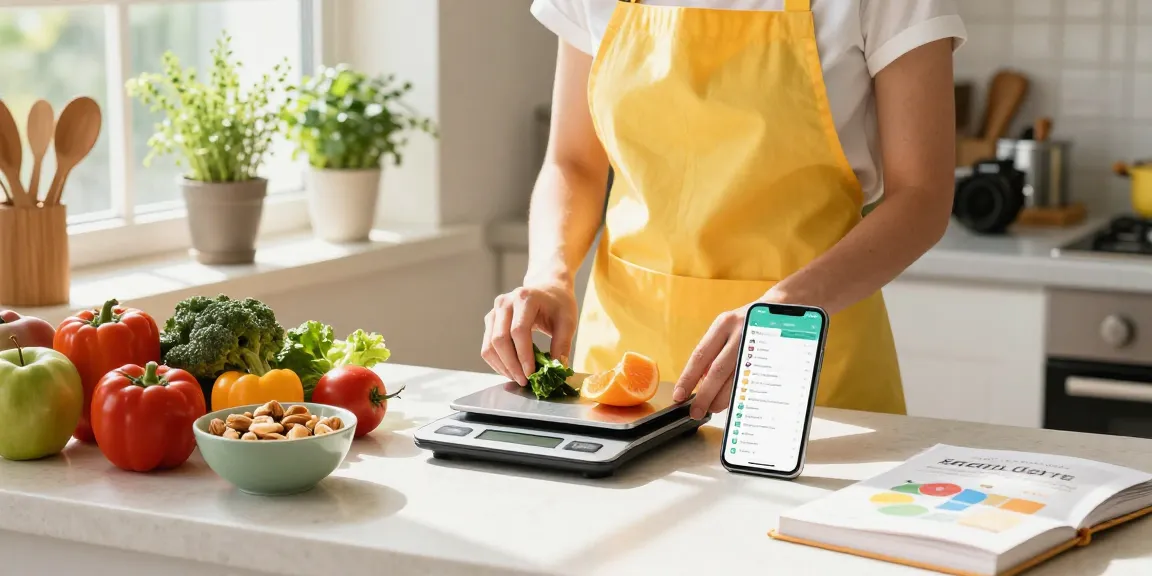
Understanding the Best Nutrition App for Your Goals
In today's fast-paced world, finding a reliable method to manage nutrition can feel overwhelming. With countless options available, selecting the right app tailored to your unique health objectives is essential. The best nutrition app goes beyond simple calorie counting; it offers personalized support that adapts to individual preferences, making it easier to stay on track with dietary goals. Let’s explore what makes a nutrition app truly stand out.
What Makes a Nutrition App Stand Out?
A solid nutrition app should offer various features that cater to users with diverse needs. It should not only track calories but also provide insights into macro-nutrient consumption, helping users understand their dietary intake better. The most successful apps leverage technology, such as AI, to enhance user experience and offer personalized recommendations based on individual goals.
Benefits of Using the Best Nutrition App
- Real-time feedback: Many advanced apps provide ongoing guidance, allowing users to adjust their habits as needed.
- Simplified tracking: Features like photo logging reduce the time and effort involved in documenting meals.
- Accessibility: Users can easily access their nutrition information anytime, anywhere, making it easier to maintain accountability.
- Community support: Some apps foster a community where users can share experiences and strategies, enhancing motivation.
Identifying Your Personal Nutrition Goals
Before choosing a nutrition app, take the time to identify your specific goals. Whether you're aiming for weight loss, muscle gain, or overall dietary improvement, having a clear target can significantly enhance your journey. Additionally, understanding your dietary preferences and restrictions can help narrow down your choices.
Features to Look For in a Nutrition App
Macro and Calorie Tracking Capabilities
The ability to accurately track macro-nutrients—protein, fats, and carbohydrates—is crucial for anyone serious about their nutrition. Look for apps that offer detailed insights into your daily intake, helping you understand the balance between different food groups. Tracking overall calorie consumption is essential for weight management, as it ensures you are meeting your goals effectively.
User-Friendly Interface and Accessibility
An intuitive design is key to an effective nutrition app. Users should be able to navigate the app with ease, logging meals or accessing insights without feeling overwhelmed. The interface should cater to both tech-savvy individuals and those who may be less familiar with technology, ensuring everyone can benefit.
Personalization and AI Coaching
Advanced apps offer personalized experiences by utilizing AI technologies. These apps can learn about your eating habits, recommend meals based on preferences and adjust your calorie and macro goals according to your progress. This level of personalization helps in creating sustainable habits that lead to long-term success.
Integrating the Best Nutrition App into Your Routine
Daily Tracking Habits for Success
To maximize the benefits of your nutrition app, incorporate daily tracking habits into your routine. Schedule specific times for logging meals and reviewing your progress. This accountability can significantly enhance your commitment to your dietary goals.
Utilizing Photo Logging for Meals
Some nutrition apps, like Welling, offer the unique feature of photo logging, allowing users to simply take a picture of their meals for instant tracking. This innovative approach eliminates the tedious process of searching for food items and speeds up the tracking process, making it more enjoyable and less of a chore.
Combining App Features for Optimal Results
Take full advantage of all the features offered by your nutrition app. Utilize meal suggestions, real-time feedback from AI nutrition coaching, and community forums to share experiences and gather tips from others. By combining these elements, you enhance your chances of achieving your health goals.
Real-World Success Stories with Nutrition Apps
Case Study: Weight Loss Transformation
Numerous users have reported successful weight loss transformations through the strategic implementation of nutrition apps. For example, an individual may set a goal of losing 20 pounds over the course of six months. By consistently using a nutrition app to monitor calorie intake and receive personalized meal suggestions, users can maintain their focus and adjust their food choices effectively.
Case Study: Building Muscle Effectively
Another effectiveness can be noted in muscle-building journeys. Users often utilize apps that prioritize protein tracking in conjunction with strength training. By setting a higher protein intake goal and tracking it meticulously, individuals can ensure their muscle growth is supported, leading to better results over time.
User Testimonials and Feedback
User testimonials often highlight the significant impact nutrition apps have had on their lives. Many cite enhanced motivation, ease of use, and the personalized coaching aspect as pivotal in their dietary success. These insights can serve as inspiration for those considering committing to a nutritional journey.
Future Trends in Nutrition Apps
Emerging Technologies and Innovations
The future of nutrition apps is closely tied to technological advancements. Innovations like augmented reality for meal visualization and advanced AI for personalized dietary recommendations are expected to become commonplace. These technologies can enhance the user experience and provide even more customized insights.
Predictions for Nutrition and Fitness Integration
As health becomes a more holistic goal, the integration of nutrition apps with fitness platforms will likely become a standard. Users will benefit from having a unified dashboard that tracks both nutritional intake and physical activity, providing a comprehensive overview of their health journey.
How User Feedback Shapes Future Developments
App developers pay close attention to user feedback, which can drive the evolution of features and functionalities. As users request specific improvements and highlight effective strategies, the best nutrition apps will adapt to meet these expectations, leading to a more user-centric approach in future releases.
What should I look for in the best nutrition app?
When choosing the best nutrition app, prioritize features like macro tracking capabilities, user-friendly interfaces, and options for personalization. Ensure that the app aligns with your individual health goals and lifestyle to maximize effectiveness.
Can I use a nutrition app for weight loss?
Yes, many nutrition apps are designed specifically to assist users with weight loss. By tracking calorie and macro intake, setting personalized targets, and providing meal suggestions, these apps offer significant support in achieving weight loss objectives.
Are nutrition apps customizable for dietary preferences?
Most modern nutrition apps allow for substantial customization. Users can input dietary restrictions, preferences (such as vegetarian or gluten-free), and specific goals, enabling the app to make tailored recommendations.
How accurate are calorie counts in nutrition apps?
The accuracy of calorie counts in nutrition apps largely depends on the quality of the food database utilized. Many apps, including Welling, feature comprehensive databases that improve accuracy. Keeping the app updated with the most recent food data enhances reliability.
Do nutrition apps provide meal suggestions?
Absolutely, many nutrition apps offer meal suggestions tailored to your dietary preferences and caloric needs. This feature can simplify meal planning and help users incorporate a variety of foods into their diets.