
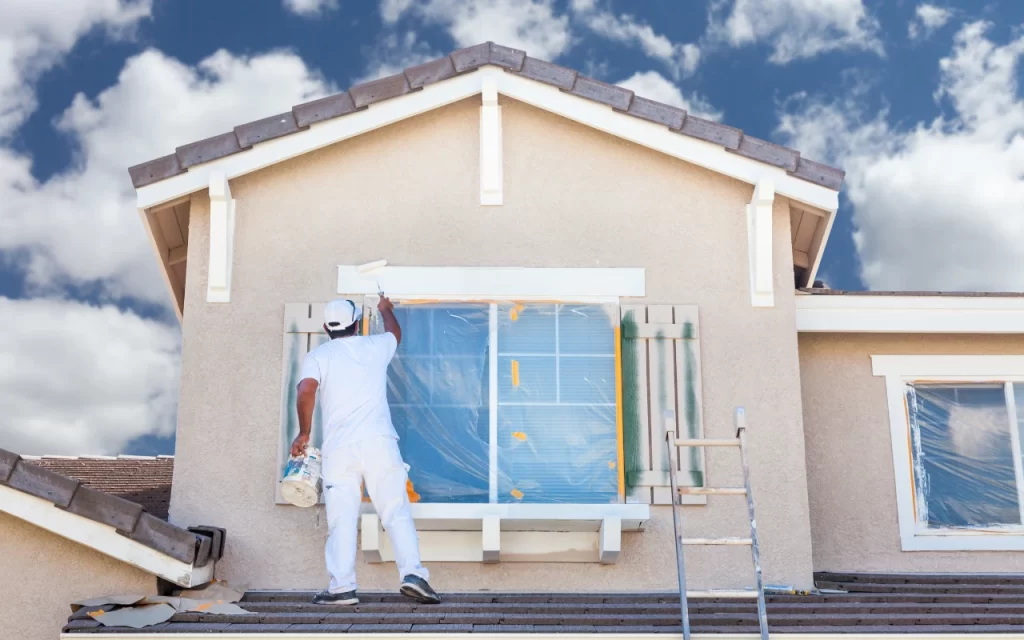
Understanding the Value of Commercial Painting for Investors
Commercial painting plays a critical role in maintaining and increasing the value of investment properties. For property owners focused on returns, occupancy rates, and long-term asset performance, maintaining a clean and modern appearance is not a cosmetic choice but a financial strategy.
Well-executed commercial painting improves curb appeal, attracts quality tenants, and reduces long-term maintenance costs. In investment properties, these factors directly influence rental income and property valuation. A neglected exterior or worn interior can reduce demand, while a freshly maintained surface signals care, stability, and professionalism.
Affordable does not mean low quality in this context. Instead, it refers to efficient planning, smart material selection, and strategic execution that maximize value while controlling costs.
Why Commercial Painting Matters for Investment Properties
Increasing Tenant Demand and Occupancy Rates
Tenants are more likely to choose and remain in properties that feel well-maintained. Commercial painting creates a visually appealing environment that enhances perceived value and comfort.
For investment properties, higher occupancy rates translate directly into improved cash flow. A well-maintained appearance reduces vacancy periods and strengthens competitiveness in the rental market.
Protecting Long-Term Asset Value
Investment properties are long-term assets that require consistent upkeep. Commercial painting acts as a protective layer that prevents structural deterioration caused by moisture, UV exposure, and daily wear.
By preserving surfaces, commercial painting reduces the need for costly repairs and extends the lifespan of building materials.
Cost-Efficient Strategies in Commercial Painting
Planning Before Painting Begins
Cost efficiency in commercial painting starts with proper planning. A detailed assessment of the property helps identify areas that need repair, prioritize high-impact zones, and avoid unnecessary work.
This ensures that resources are allocated effectively and that commercial painting delivers maximum return on investment.
Phased Painting for Budget Control
Large investment properties often benefit from phased commercial painting approaches. Instead of repainting the entire building at once, work can be divided into sections over time.
This method spreads costs, minimizes disruption, and allows property owners to manage budgets without sacrificing quality.
Choosing Materials for Affordable Commercial Painting
Balancing Cost and Durability
One of the most important decisions in commercial painting is selecting the right materials. While premium coatings offer long-term durability, mid-range options can provide a strong balance between cost and performance when applied correctly.
The key is selecting products that match the property’s usage level and environmental exposure.
Low-Maintenance Coating Systems
Affordable commercial painting does not end at application cost—it includes long-term maintenance savings. Washable, stain-resistant coatings reduce cleaning frequency and extend repaint cycles.
These systems lower lifetime costs and improve overall investment efficiency.
Surface Preparation and Its Impact on Cost
Preventing Future Repairs
Proper preparation is essential for avoiding premature paint failure. Cleaning, repairing cracks, and priming surfaces ensure that coatings adhere correctly and last longer.
Skipping preparation may reduce upfront costs but often leads to expensive repainting and repairs later, increasing total ownership expenses.
Extending Paint Lifespan
In commercial painting, preparation directly affects durability. Well-prepared surfaces allow coatings to perform at their full potential, extending their lifespan and improving cost efficiency.
Commercial Painting for Different Investment Property Types
Multi-Family Residential Buildings
For apartment complexes and multi-family units, commercial painting enhances tenant satisfaction and reduces turnover. Clean hallways, refreshed exteriors, and maintained common areas improve overall livability.
This helps stabilize rental income and attract long-term tenants.
Office Investment Properties
Office buildings rely on professional presentation. Commercial painting in these spaces supports tenant acquisition and retention by creating a clean, modern business environment.
Neutral tones and durable finishes are commonly used to maintain broad tenant appeal.
Retail Investment Spaces
Retail properties depend heavily on visual appeal. Commercial painting helps create inviting storefronts that attract customers and support tenant business success.
This increases property desirability and long-term leasing potential.
Maximizing ROI Through Commercial Painting
Enhancing Property Marketability
A well-maintained property is easier to lease or sell. Commercial painting significantly improves first impressions, making listings more competitive in the market.
This can reduce vacancy time and increase negotiating power for property owners.
Reducing Vacancy-Related Losses
Every vacant unit represents lost income. Commercial painting helps reduce vacancy periods by making properties more attractive and move-in ready.
Even minor updates can significantly impact leasing speed and tenant interest.
Scheduling Commercial Painting for Investment Efficiency
Coordinating with Tenant Occupancy
Investment properties often remain occupied during maintenance work. Commercial painting must therefore be scheduled to minimize disruption to tenants.
Efficient scheduling improves tenant satisfaction and reduces complaints, helping maintain stable occupancy rates.
Seasonal Planning for Better Results
Weather conditions can affect exterior commercial painting. Planning projects during optimal seasons improves application quality and reduces delays.
This ensures better long-term performance and reduces the risk of weather-related issues.
Long-Term Financial Benefits of Commercial Painting
Lower Maintenance Costs Over Time
Durable commercial painting reduces the need for frequent touch-ups and repairs. This leads to lower maintenance budgets and improved financial predictability for property owners.
Increased Property Valuation
Well-maintained buildings typically appraise higher than neglected ones. Commercial painting contributes to improved valuation by enhancing both appearance and structural protection.
Stronger Competitive Position in the Market
Investment properties compete for tenants based on price, location, and condition. Commercial painting improves the condition factor, making properties more competitive and desirable.
Common Cost Mistakes in Commercial Painting
Choosing Price Over Quality Alone
While affordability is important, selecting the cheapest option often results in higher long-term costs. Low-quality materials and poor workmanship can lead to premature failure.
Balanced commercial painting focuses on long-term value rather than short-term savings.
Ignoring Preventive Maintenance
Delaying commercial painting until visible damage occurs increases repair costs. Regular maintenance painting is more cost-effective than reactive restoration work.
Poor Project Planning
Inadequate planning can lead to wasted materials, extended timelines, and unnecessary labor costs. Proper organization is essential for cost-efficient commercial painting.
Conclusion: Smart Investment Through Commercial Painting
Affordable commercial painting for investment properties is about strategic decision-making rather than cutting corners. By focusing on planning, material selection, and long-term performance, property owners can maximize returns while controlling expenses.
When executed properly, commercial painting enhances property value, improves tenant satisfaction, and reduces long-term maintenance costs. For investment properties, it remains one of the most effective and reliable ways to protect and grow asset performance over time.